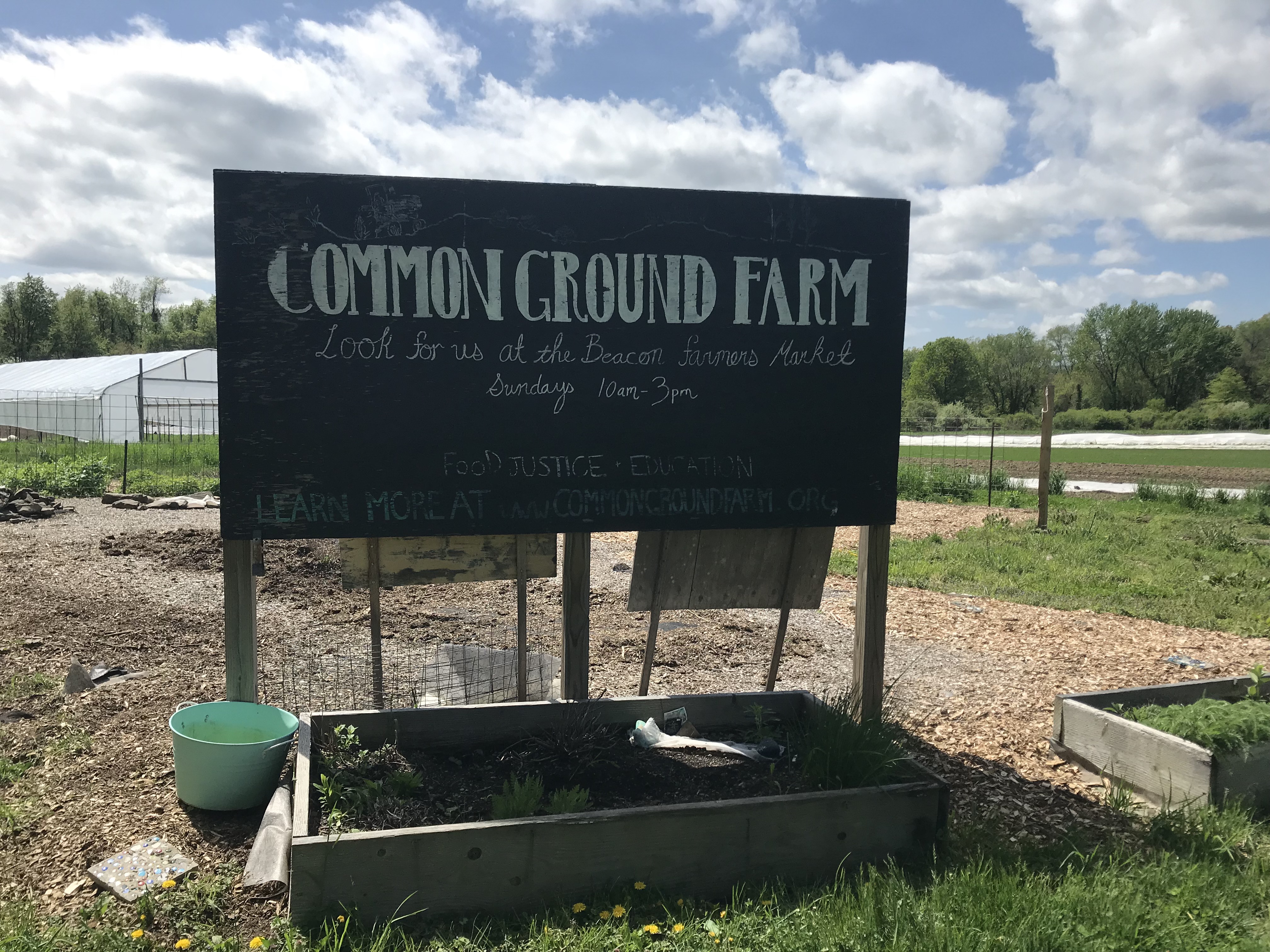
One sunny afternoon during study week, I decided to give myself a break from my endless research papers by taking a drive out to Common Ground Farm (CGF) with some friends. Located at the Stony Kill Farm Environmental Education Center in Wappingers Falls, New York, CGF is a haven for animal and plant enthusiasts alike.
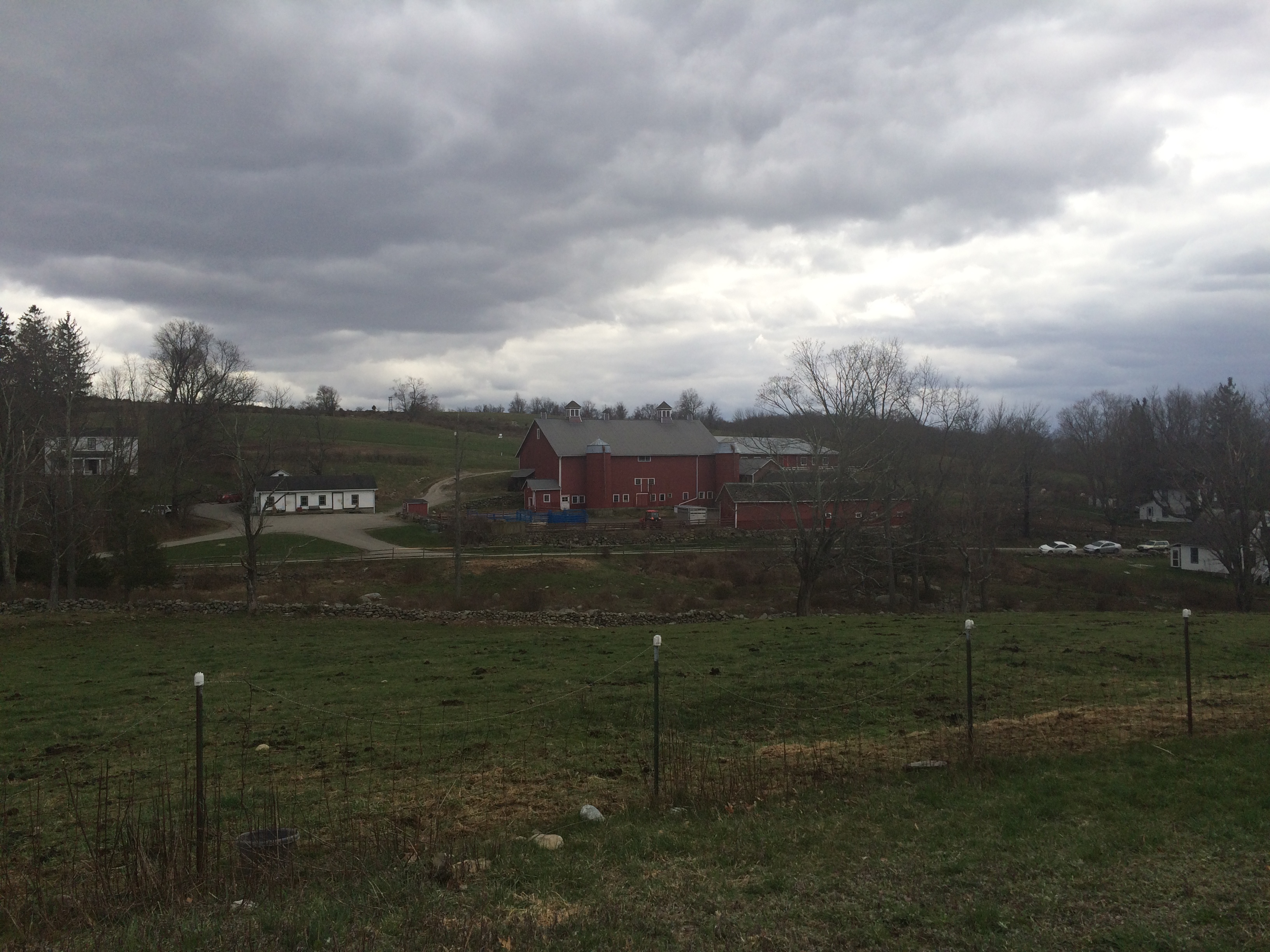
When we first pulled in, I was surprised at how well hidden it was from the main road. I had definitely passed it multiple times before when I visited Beacon, but I had never noticed it until now! After parking, we hopped out of the car and scoped out the landscape. We finally chose to explore a big red barn, which was apparently built in the early nineteenth century.
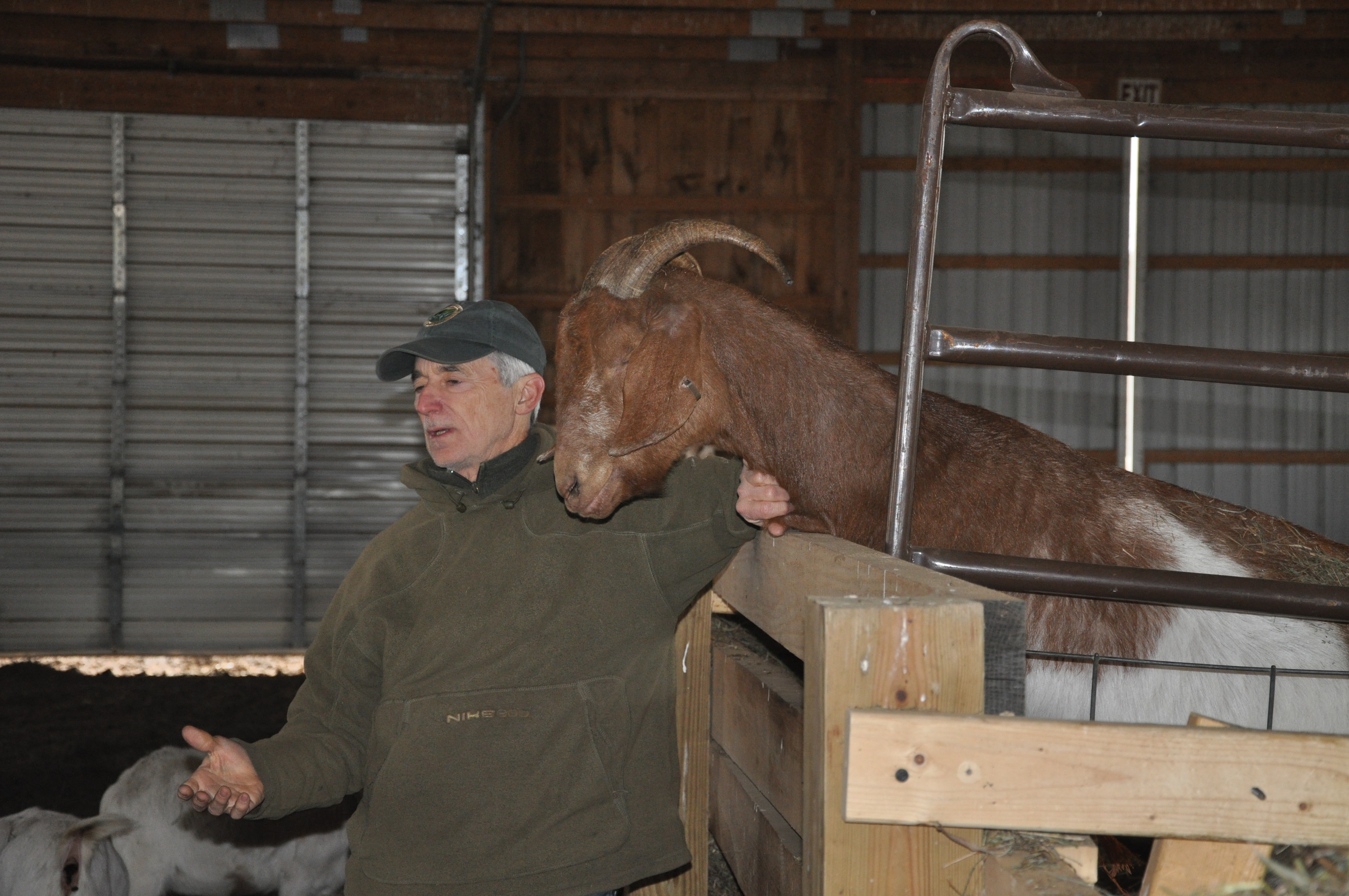
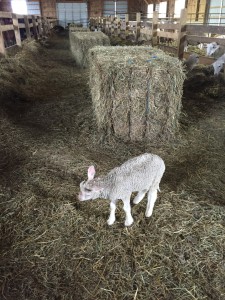
Inside, we were greeted by a small interactive space designed for children—there were fun facts about how pigs smell, old black and white photos from when the barn was originally constructed, and much, much more. Behind another door were the farm animals. We pet a group of sheep (and their babies!), observed chickens, and took pictures with the pigs.
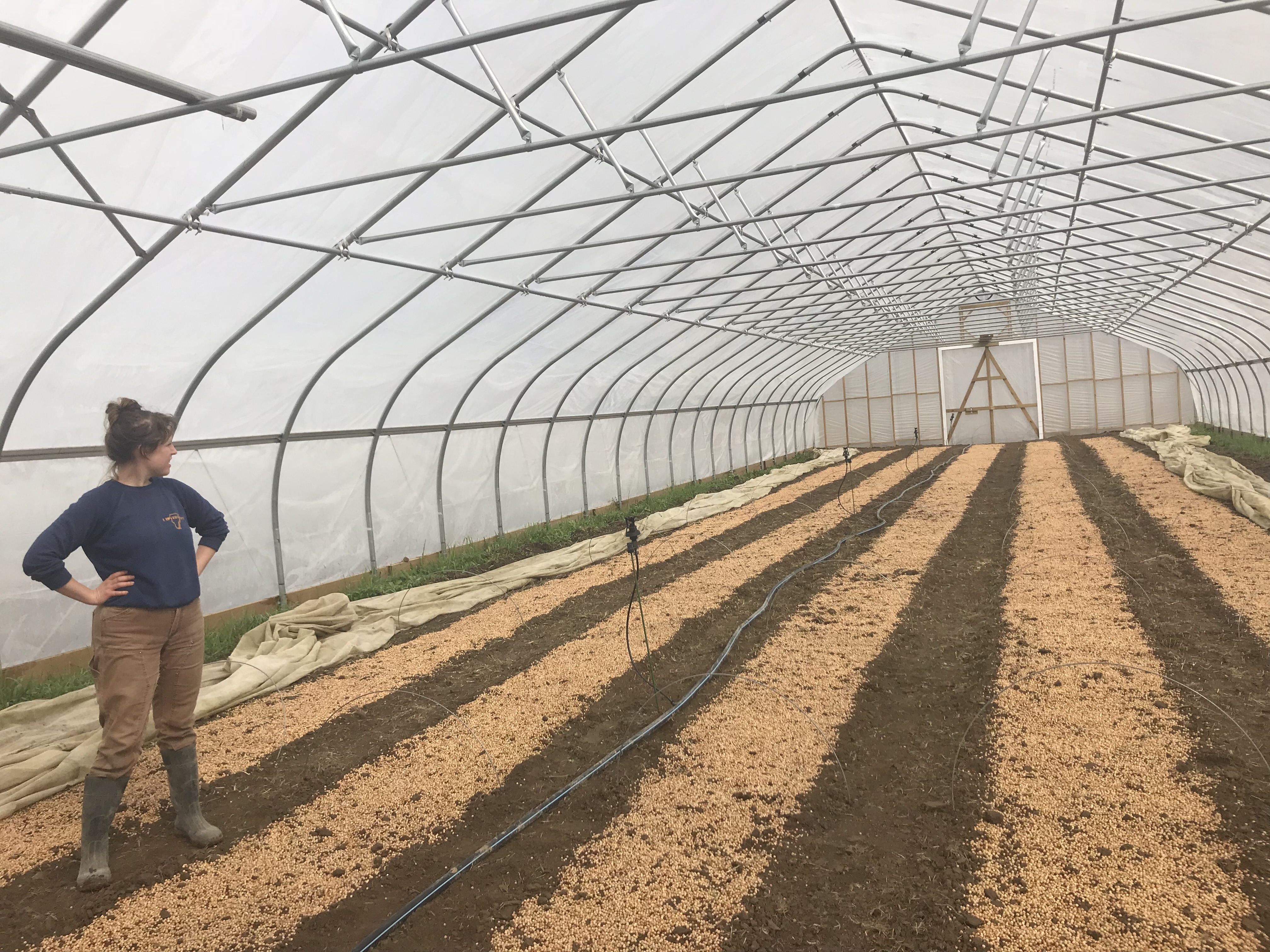
Once we had our share of the friendly animals, we strolled on over to CGF’s field space. We found even more chickens, and rows of flowers and vegetables. There were at least two greenhouses, one filled with burgeoning seedlings. We met two of the workers as they watered the seedlings and they told us about CGF’s regular tours they offer for the public.
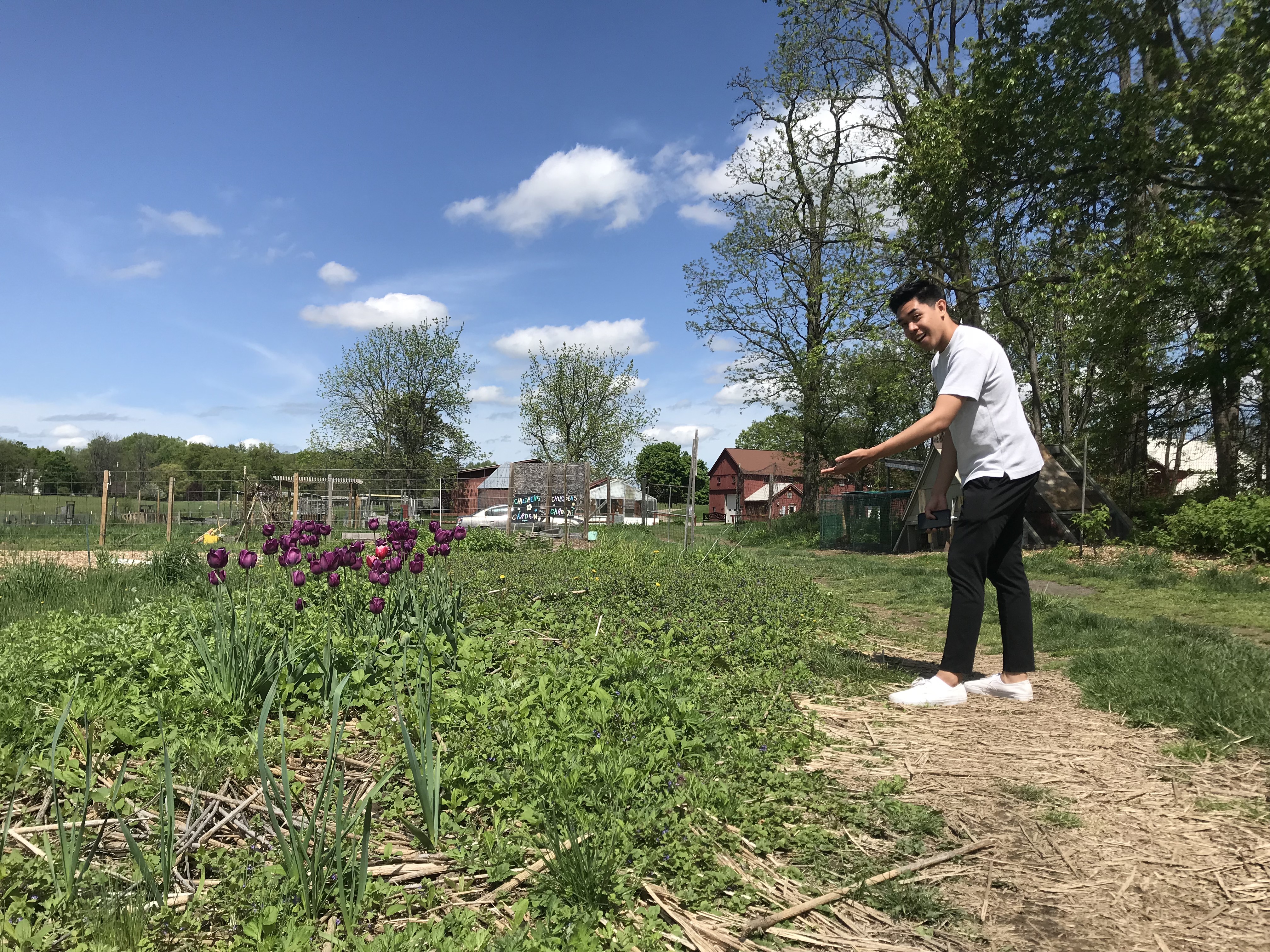
After observing the fields, we skirted past a flock of geese protecting their young (yikes!) and walked down to the pond, which sits at the entrance of the farm. We remarked at how historic the site was, and eventually headed out.
Later on, I did some research and learned that CGF was created in Fall 2001, when a small group of people decided to bring their vision to life and start a 501(c)3 non-profit. Nearly 17 years later, the farm is still dedicated to its food justice and educational programs.
One of these programs is called the Common Greens Mobile Market. From July to September, a mini school bus painted green brings reduced-price, fresh produce to low-income neighborhoods in Beacon. The program even accepts WIC, FMNP, and EBT/SNAP. The bus was parked towards the entrance, so it was actually one of the first things we noticed!
CGF also sells its produce at the Beacon Farmer’s Market (see Julia’s blog post) from May to November. Sometimes, they are staffed by members of the Green Teen Community Garden Program, which is a program that empowers urban youth by immersing them in local food systems. CGF and the Green Teen Program have a strong partnership.

Other programs include educational activities and workshops for people of all ages—these include anything from a Community Indigo Project to a summer camp for kids. CGF’s educational presence was very obvious, as shown by this picture of a compost set-up with instructions and information.
CGF is not certified organic, but they do adhere strictly to organic standards. They also sell wholesale to local restaurants and grocers.
Visiting this farm was a great way to finish off ENST 291—I’m so glad I visited. You should, too!
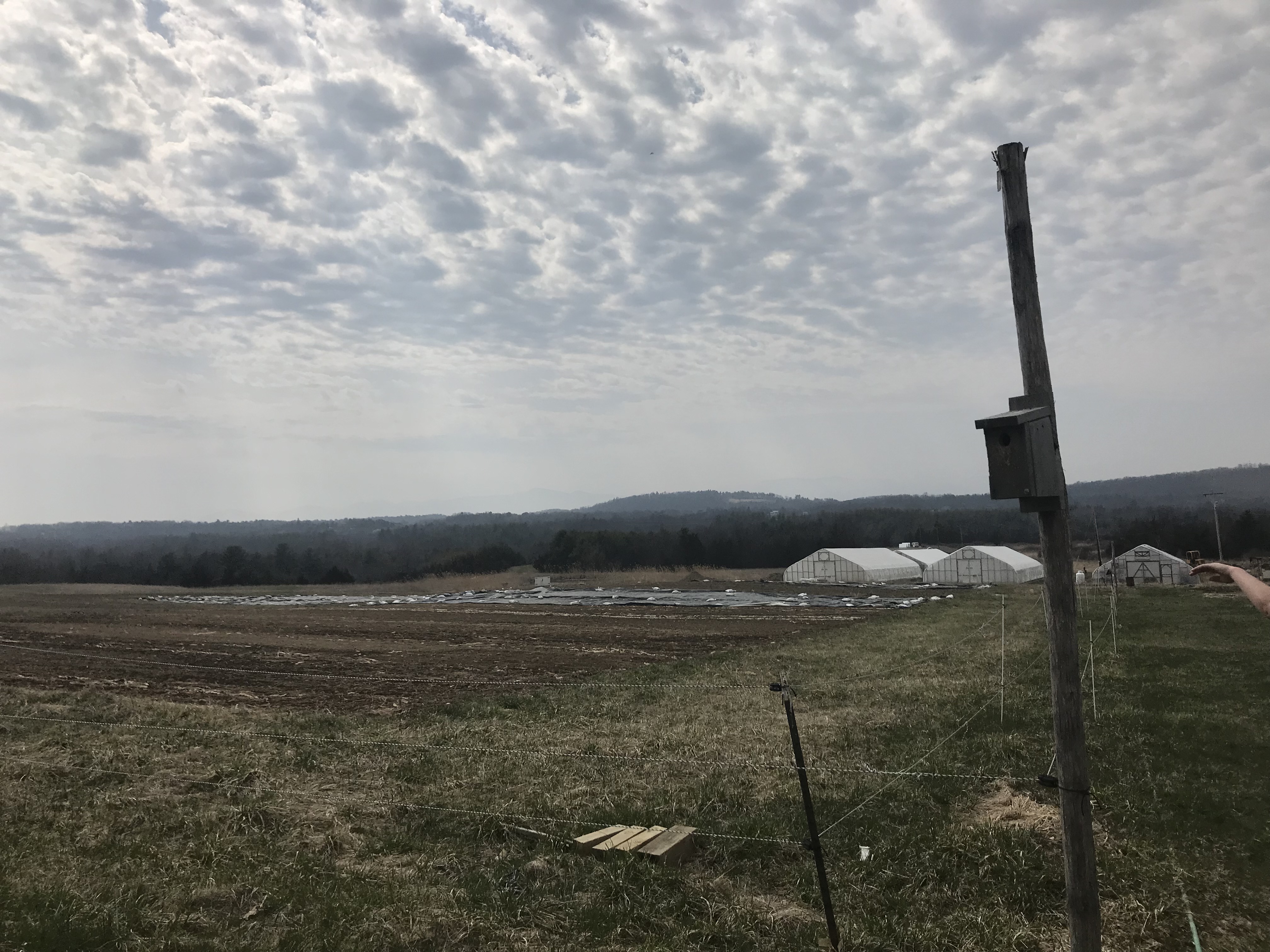

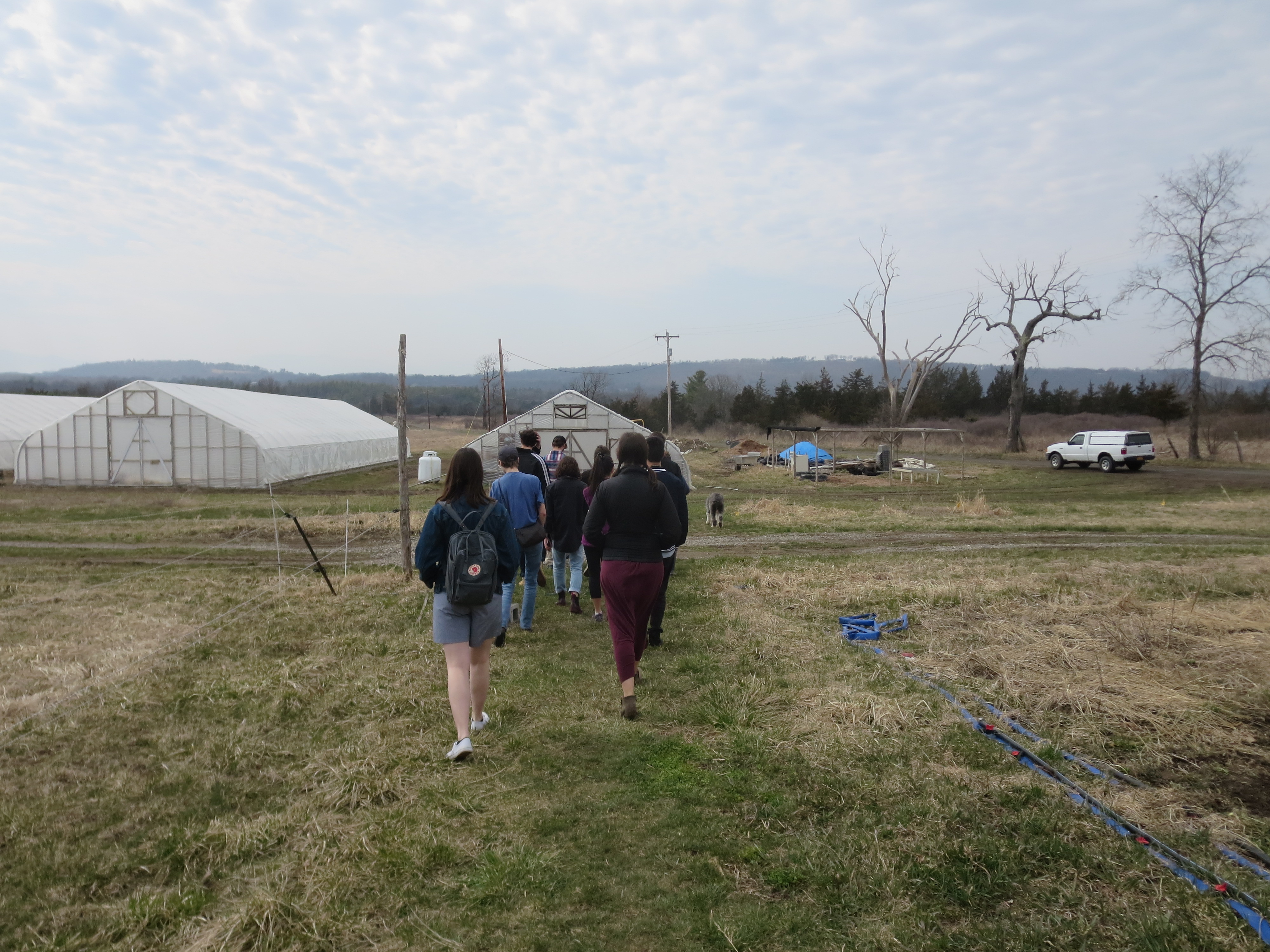

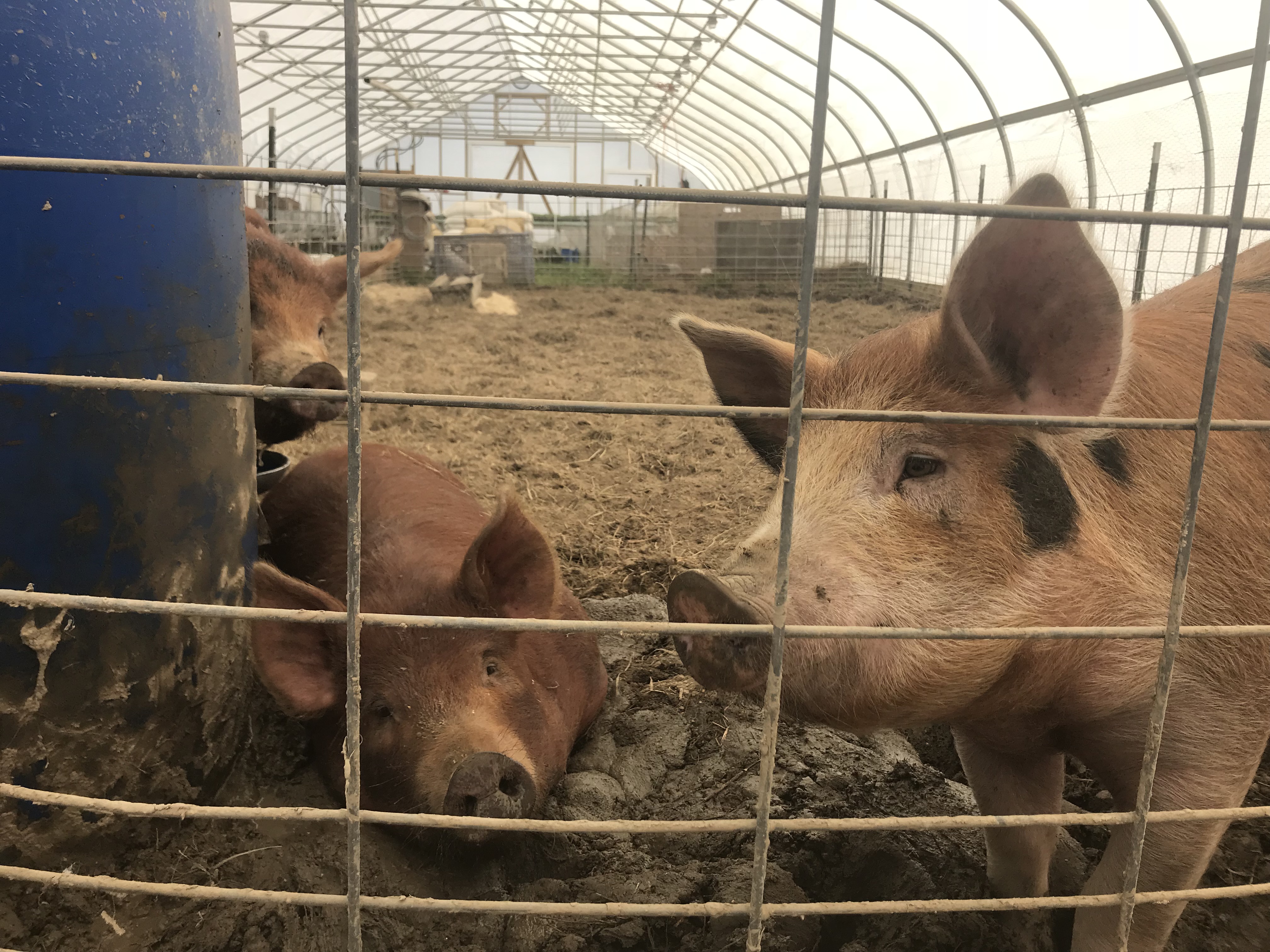
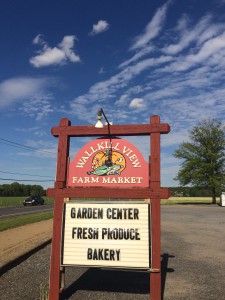 Wallkill View was an interesting contrast to the other farms we visited in class. As a family-owned and family-run business, it differs from some of the other farms whose farmers and owners were not one and the same. Wallkill View also seems a bit more commercial than some of the other farms, offering products and produce from other farms as well as their own. They also were, if my memory serves me, the only farm I saw that relies on its own store instead of taking its produce to market. Overall, it seems like a charming and accessible option for New Paltzers and travelers alike to buy produce and locally-made products.
 which the days are in the 40s-50’s but the nights are freezing, there are from 1-3 spiles in each maple tree, depending on it’s size and age. After running to the collection house, the sap (which at this point is clear and liquidy, only about 2% sugar) runs through pipes underground to the sugarhouse, which is where the café and gift shop are also located. In the sugarhouse, the sap goes through a variety of steps to remove most of the water, as it is bottled at 67% sugar. Based on the time of year and temperatures outside, the syrup will come out in different forms, as “Amber,” “Dark,” or “Very Dark.” Crown Maple also produces a “Bourbon Barrel Aged” syrup, as well as maple sugar, which is made by cooking the syrup until all the water is gone. They also sometimes have a “Golden” syrup, but the temperatures have not been cold enough the past two years, so they have not gotten any of this flavor.
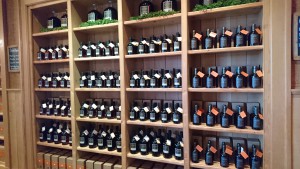 it had a slightly stronger taste than the “Amber,” but did not have the weird aftertaste left by the “Very Dark.” I was not a huge fan of the one that was aged in a bourbon barrel, but I was amazed at how much it tasted like bourbon, considering there was no actual bourbon in it.