
Rylan Liu ’27, working under Professor Patricia Achiro Olwoch, with Clementine Gnoto ’27 and Willow Eaton ’27
This summer, I was fortunate to work alongside Professor Patricia Achiro Olwoch and two other students—Clementine Gnoto, and Willow Eaton—to examine how the epistolary form interacts with experiences of othering across borders of nation-states, gender, age, language, and much more. Theater and embodied reading comes in, then, as an experimental strategy of engaging the voice outside of the page and projecting it into our world with its preexisting subjugations and prejudices. Blending the personal with the theoretical, we embarked on a process that attempts to radically transform how we view proximity v.s. strangeness, themes that are already so at odds with each other in the epistolary form.
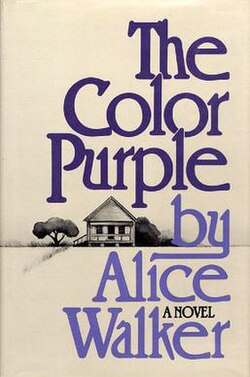
As one of the first formal experiments that emerged in the novel, the epistolary form has been widely applied by a lot of writers. As a result, we read widely: James Baldwin, Jacques Derrida, Alice Walker, Rainer Maria Rilke, Ngũgĩ wa Thiong’o, Theresa Hak Kyung Cha, the list goes on. When we approach their work, we look at voice, such as their accents and the ways in which they project their own opinions. We contextualize the works, such as Ngũgĩ’s prison writings and later denouncement of writing in English altogether, in private and universal histories. We examine the ways in which voices are censored, are lost in translation, and are held back because of fear. The private voice on the page thus reveals itself to be irrefutably political.
Another crucial part of this process was the exercising of our own voices. Letters that we have produced with the guidance of prompts and formal challenges are performed aloud by us. A selected collection of our letters were performed at the end of the project on a recorded Zoom meeting—the 21st century method for crossing the boundaries of time and space. These extensive exercises of embodied storytelling allowed us to make and enact theories on the political stakes of living in the contemporary world.
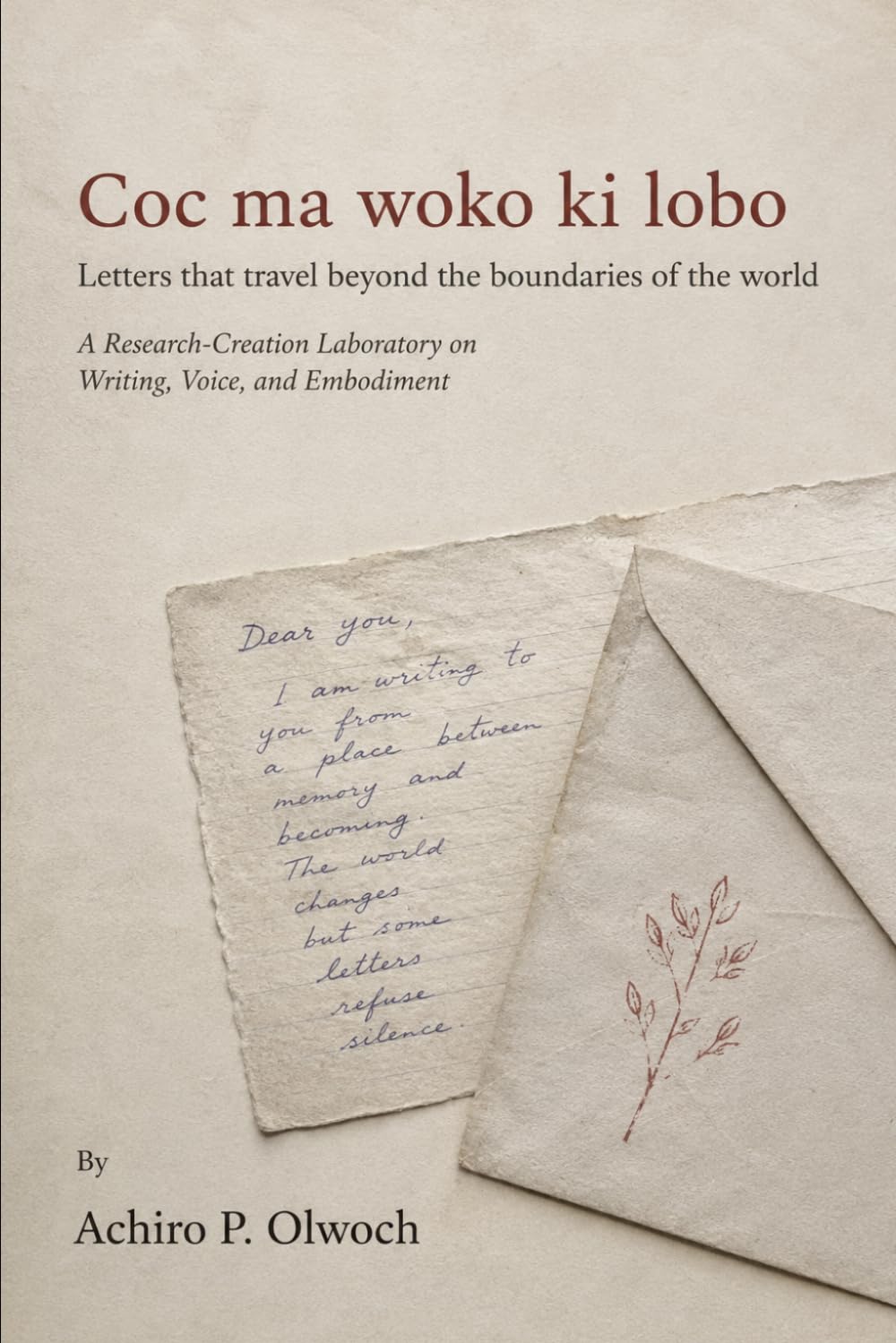
These intensive formal explorations, embodied experimentations, and research work eventually culminated in a chapbook titled Coc ma woko ki lobo: Letters that travel beyond the boundaries of the world, authored by Professor Olwoch. What this project has illustrated for me is the unique brilliance of creativity in collaboration and how much it is often lacking in academia. This project points out a way to reform what we might call autotheory: It challenges and looks into the self, but it does so with the help and inspiration of others. Theater, with its ability to put stories to voices, faces, and bodies (therefore to a simulation of reality), challenges the formal lines between us and them, the self and the other, here and there.