Anna L. Philippe (‘2027)
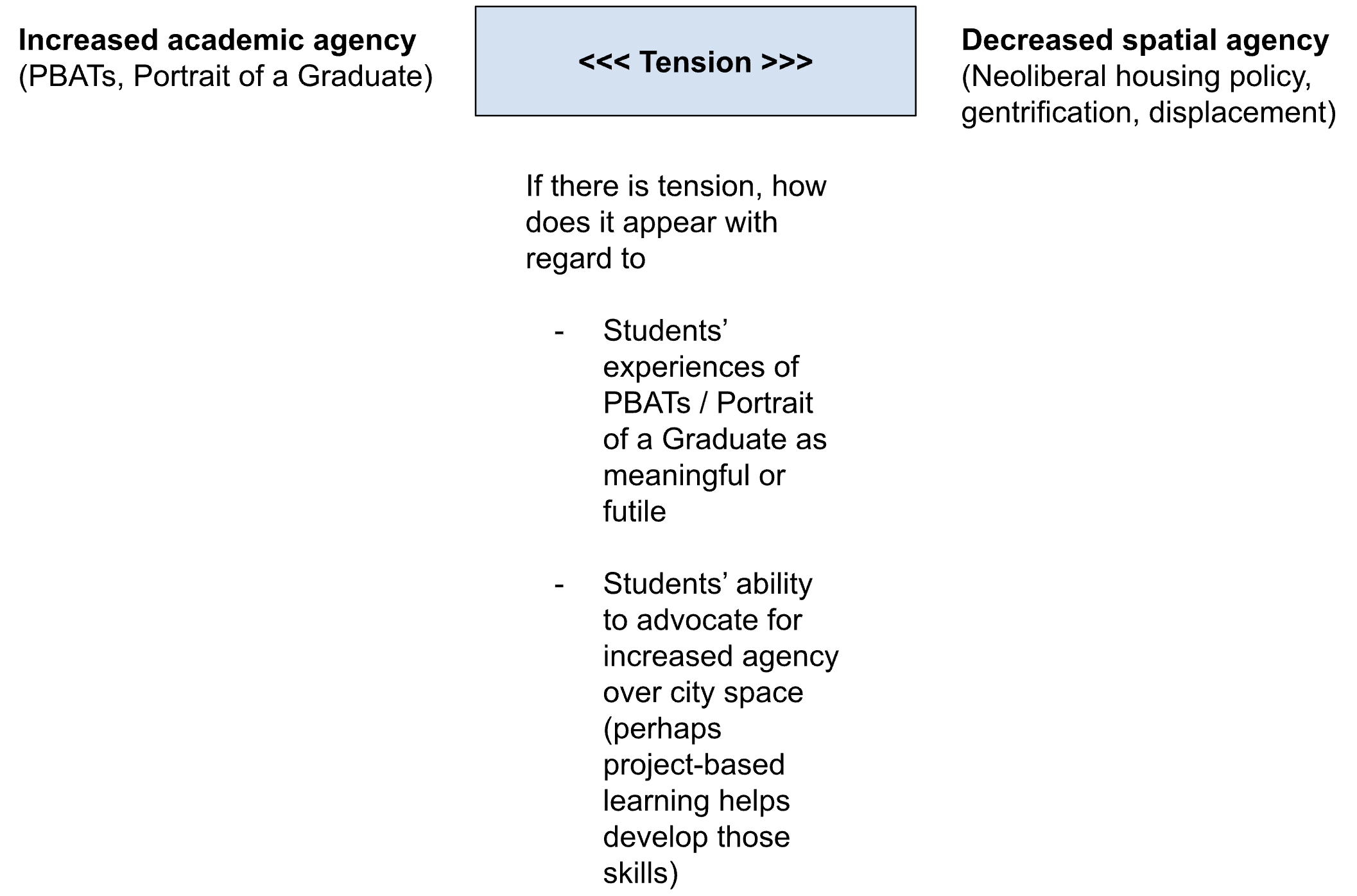
This summer, I worked with Dr. Maria Hantzopoulos of the Education and International Studies Departments on a nascent project related to the impact of neoliberal urbanism, gentrification/displacement, and educational policy on schooling in NYC.
Since the project is in its early stages, gathering background information was a priority. I spent time organizing demographic data on NYC public schools over the last 30 years (citywide, along with District 30 in Queens and District 15 in Brooklyn). Data included the racial compositions of schools, along with their proportions of economically disadvantaged students, disabled students, and English language learners. These data will help contextualize more complex observations. I also read Pauline Lipman’s The New Political Economy of Urban Education: Neoliberalism, Race, and the Right to the City to familiarize myself with how neoliberal policies and logics have shaped systems of education.
An important feature of this project was that it was done in collaboration with a group of students who joined for Independent Study credit. Those collaborators were Heba Elkouraichi (‘2029), Hana Afiz (‘2027), Justine Katimbang (‘2027), and Erika Shiffman (‘2027). Together, we discussed Lipman’s book, engaged with other materials, and brainstormed different directions for continued research. Because we’re all from the NYC metropolitan area, our personal experiences informed our conversations and the directions we hope to take this project.
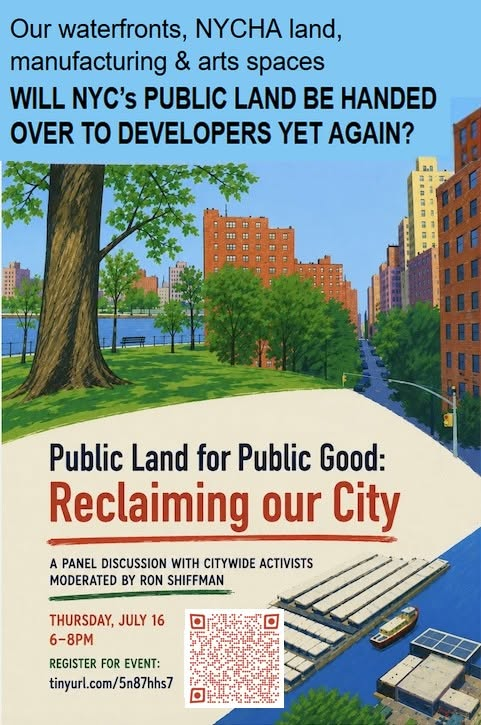
On July 16, members of the Independent Study group and I attended a virtual meeting hosted by Public Land for Public Good. The meeting featured a group of local organizers resisting the aggressive privatization and commercialization of NYC’s public land. (The moderator, Ron Shiffman, is coincidentally the grandfather of one of our research group members, Erika!) The meeting was a moment of hope for the future of grassroots resistance, community togetherness, and coalition building.
As our project concludes, we’re thinking about areas for future investigation. Part of my proposal is below. Essentially, I am curious about the tension between increased academic agency fostered through the proliferation of progressive, project-based education in the city and decreased agency over city space itself. These competing realities may complicate students’ ability to succeed in project-based learning environments, but they may also create opportunities for meaningful engagement with local communities.