The Role of Community-based Organizing in Generating Change


This Summer, I worked with Nic Gedigk ‘19 and Associate Professor of Anthropology Candice Lowe Swift on a project using R.E.A.L. Skills as a case study on the impact and sustainability of community based non-profit organizations. Ultimately, we sought to expand our understanding of the role that these may play in creating personal and social change in low-income communities, and how such organizations might be sustained.

Photo Credit: ©Vassar College/ Karl Rabe

So, what is R.E.A.L. Skills? To me, it first began as an acronym. Then, it was an acronym that had meaning – Relationship. Empowerment. Affirmation. Leadership (R.E.A.L.). By the end, it was an acronym whose meaning exemplified a lived philosophy – the lived philosophy of a youth empowerment organization that draws its strength from its community (Poughkeepsie, NY), and channels that strength into a force for growth and change.

As a collaborative, feminist, and publicly engaged anthropological project, our main research methodologies were participant observation and ethnography. Accordingly, Nic and I went into R.E.A.L Skills daily, and deeply immersed ourselves within the workings of the operation. Essentially, we each played two roles – full time staff members and researchers. As staff members (college fellows), we did everything from administrative support (constructing the Summer Learning Academy’s schedule, preparing requirements for grant applications, and
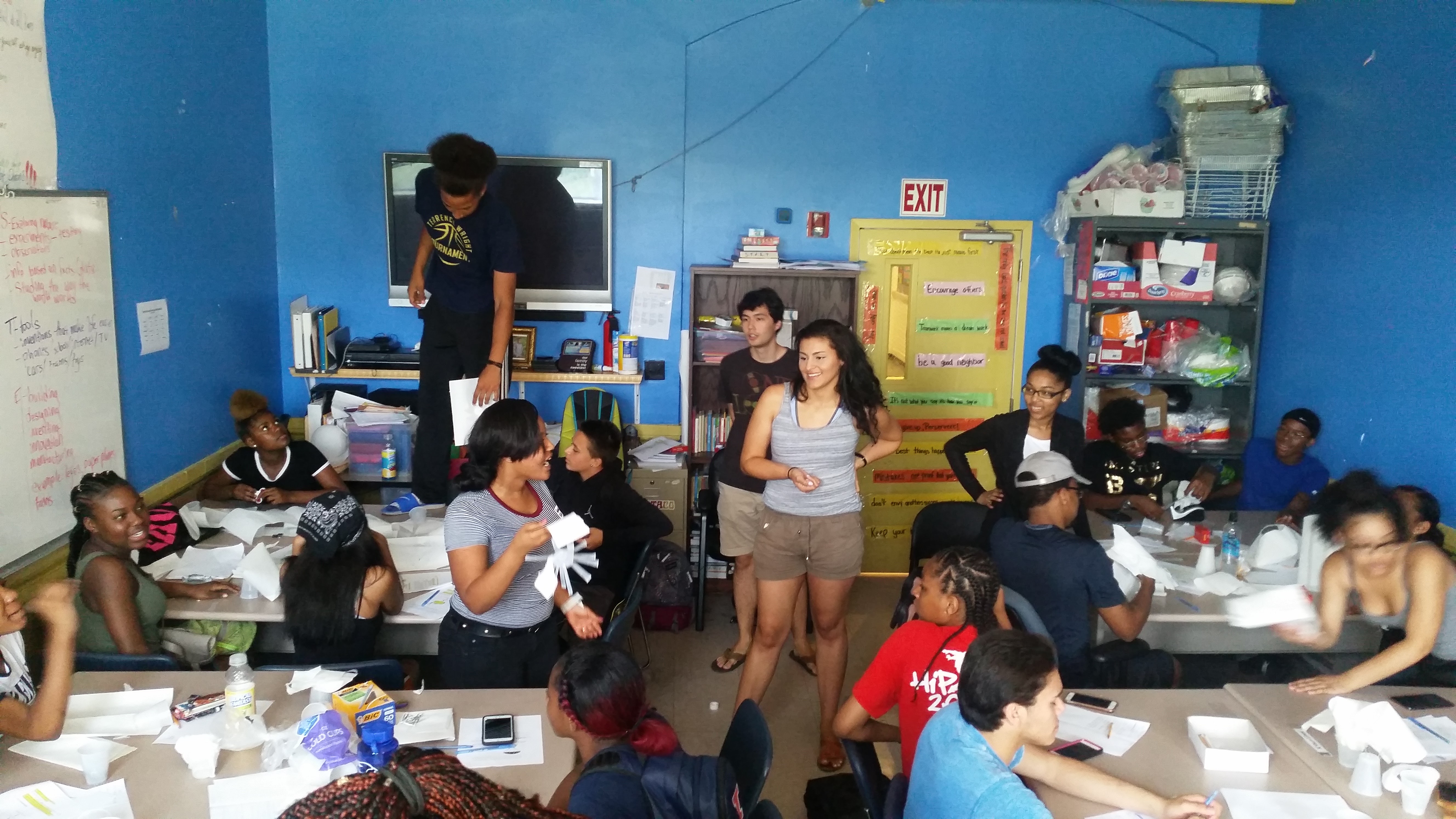
Nic and Daniela leading a restructured Mentor STEM Training

assisting with the transition from the academic year to the Summer session), to preparing and facilitating mentor trainings, creating and teaching a lesson plan on a topic of our interest, and finally, to becoming mentors ourselves. The majority of our time was spent working with the high school mentors and adult staff to provide children from 1st through 5th grade with the best Summer experience possible.

As researchers, Nic and I tried to develop a conceptual map of the actors, services, and policies and that directly influence  R.E.A.L. Skills’ operation. Our first task was understanding what R.E.A.L. Skills is, and what it does. From its mission statement, we know that the program’s initiatives are designed to teach at risk youth (youth with promise) how to navigate the paths of traditional social, educational, and judicial systems, and to understand and obtain mainstream skill competency levels and social values that would empower them to become more successful individuals. Thus, participant observation allowed us see what parts of the program were narrowly tailored to meet said objectives, who were the main beneficiaries, and what unintended but positive consequences arose from them.

This Summer we witnessed and were part of two initiatives – the Summer Learning Academy for elementary school students and the Peer Mentors program designed for high school students. The Summer Learning Academy began the day with breakfast, followed by a community meeting in which values like honesty, integrity, and self-reflection were emphasized, then a word of the day activity ensued, and academics concluded the morning. This Summer, the academics portion was dedicated to making STEM feel fun and accessible to the children.
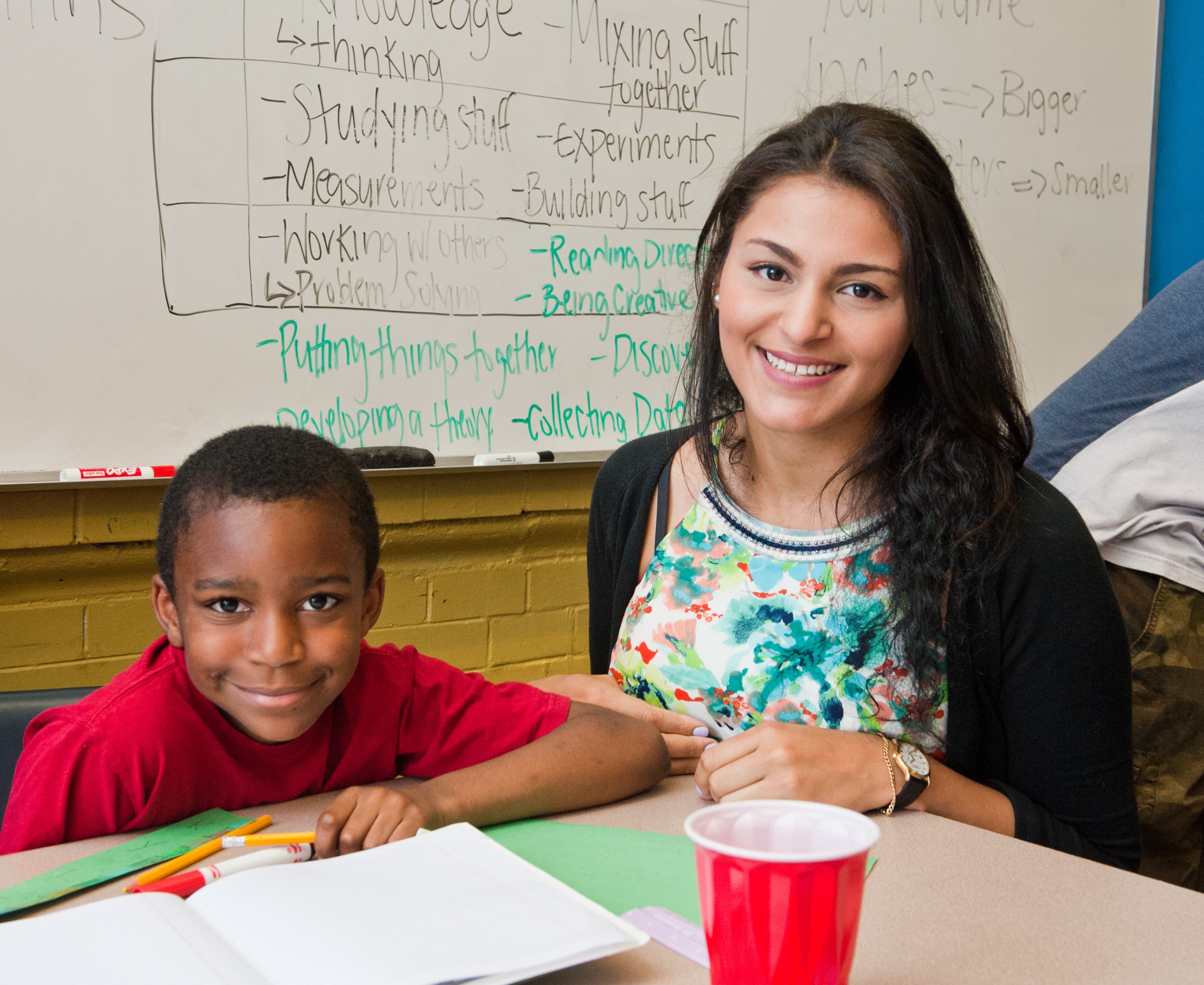
Photo Credit: ©Vassar College/ Karl Rabe

We used home supplies to design projects like rockets, parachutes, and race cars, and did journal writing to make sure that the kids understood the connection between the hands on activity and STEM.  After lunch, recreational activities like gym, cultural dance, arts and crafts, and circus time ensued. Educational trips to the Museum of Natural History, Marist College, and Wilcox State Park were also scheduled into the programming.


The Peer Mentors program consists of a series of trainings by which high school students become certified in skills like meditation and conflict resolution, alternatives to violence, and peer leadership education and training. Once trained and certified, students are hired to work as mentors for the elementary school children. Many of the mentors grew up coming to R.E.A.L Skills as children, so the Peer Mentor program serves as the next step for them to continue to grow and develop the skills necessary to succeed in life. Every aspect of R.E.A.L Skills is centered on growth, hence their title, “Growth Gang.”

On the surface, R.E.A.L Skills’ main beneficiaries are Poughkeepsie’s youth. However, their impact extends way beyond this demographic. When I asked a teacher what R.E.A.L Skills’ purpose is, she answered, “Better. We want better – better days, better education, better parenting, better role models, a better community – just better all around.” Thus, the organization’s efforts towards a better tomorrow may focus on the youth, but its impact is felt through the whole community. Their scheduling and programing allows working parents to have better days knowing that their kids have a safe and nurturing place to go when they’re not in school. The “R.E.A.L” values students learn and practice (Relationship. Empowerment. Affirmation. Leadership) create individuals better able to navigate traditional spaces, while remaining proud of who they are and where they come from. The truth is, when you invest in a
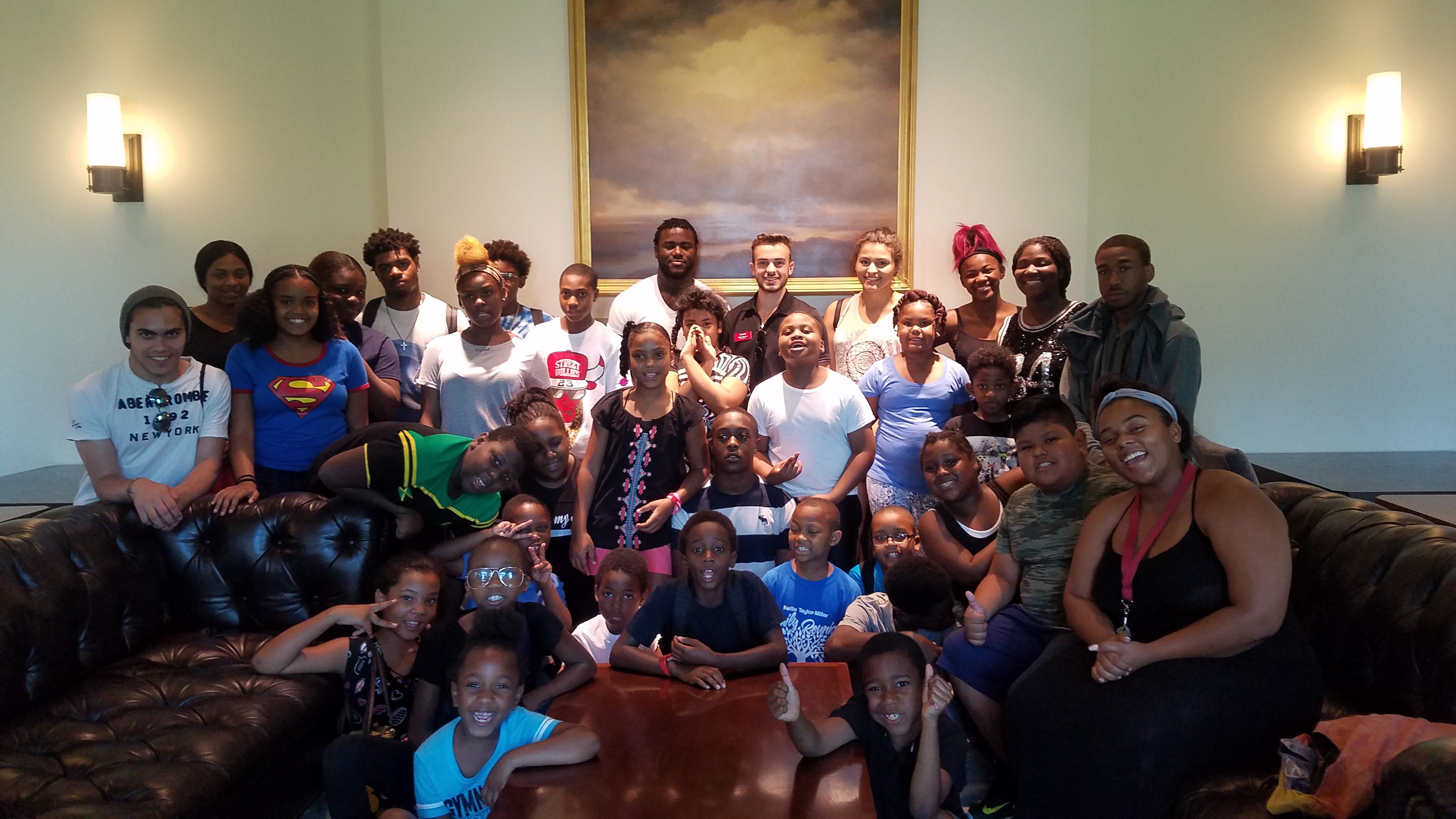
Trip to Marist College

child, you invest in a better future. For example, several alumni who went on to college returned to contribute their knowledge and individual skills to the community program that helped them get there. After graduating, many hope to work on improving their community. Thus, as a proactive youth empowerment program, R.E.A.L Skills is changing Poughkeepsie’s future.

This project designed towards the intersection of scholarship and activism built upon prior research conducted by Professor Lowe Swift, and is only the most recent example of Vassar’s engagement with R.E.A.L Skills. Over the course of ten years, R.E.A.L Skills has had over 1,000 Vassar interns – 1,000 students who have touched and been touched by R.E.A.L Skills specifically, and Poughkeepsie’s community more generally. It’s a mutually beneficial relationship – we offer our energy, hearts, and minds to the R.E.A.L Skills family, they return them nurtured by the touch of a real and vibrant community.

Currently, Professor Lowe Swift, Nic, and I are working on providing Theodore “Tree” Arrington, the director, with a report of our observations with the aim of sustainability in mind. As we move into the academic year, we will continue our research on the impact and sustainability of community based non-profit organizations through the form of an independent study.  
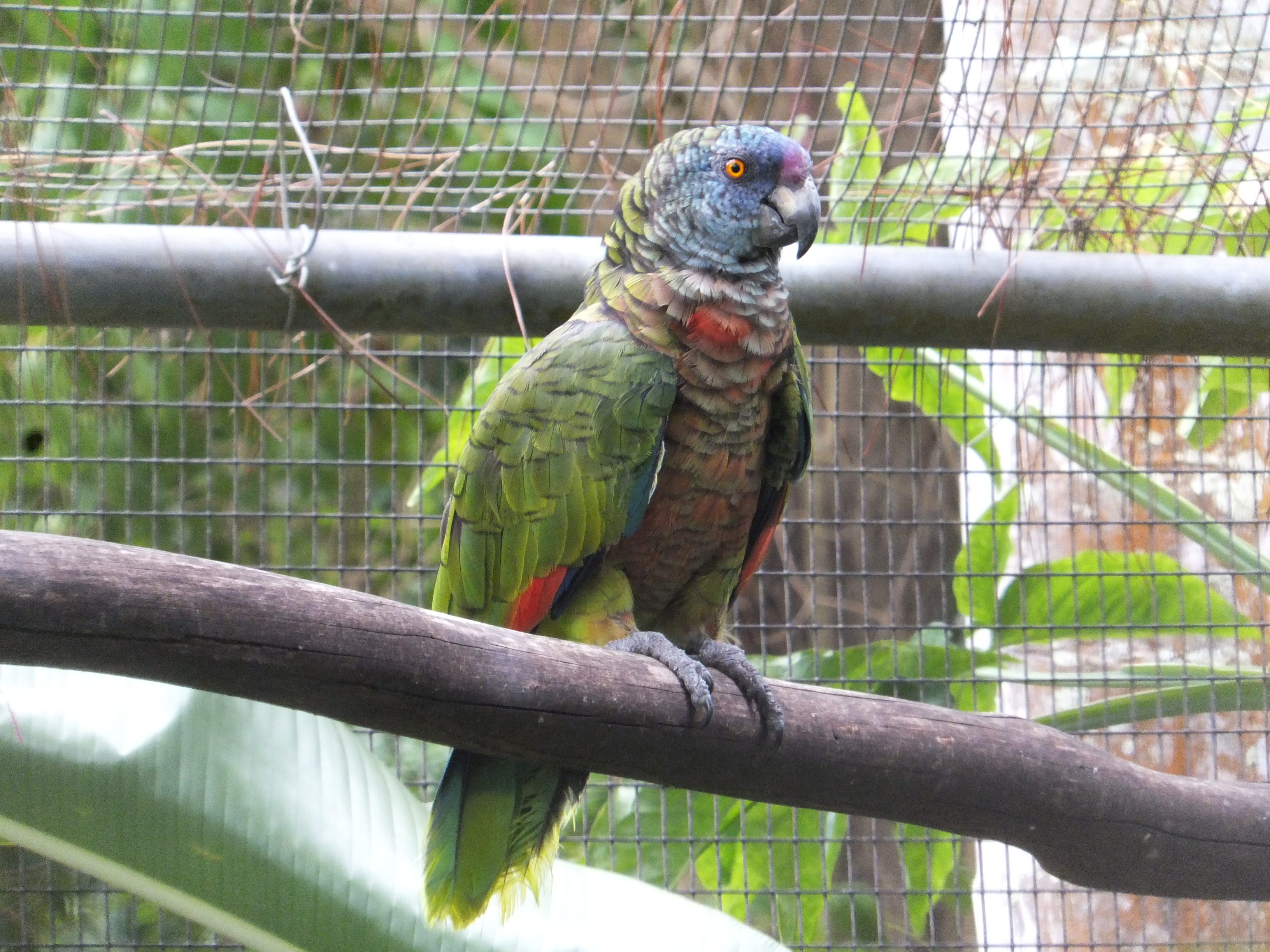
The Amazon Parrots of the Caribbean

Amazona versicolor at St. Lucia’s forestry department.

This summer, I worked with Professor Lizabeth Paravisini on determining the reasons for the endangered status of several species of Caribbean parrots and documenting the efforts that are being made to conserve them.  The research we conducted will serve as the foundation of Professor Paravisini’s newest book, an environmental biography that will inform readers of the history of Caribbean parrots and macaws. We began the project focusing on the parrots of Cuba, Dominica and St. Lucia before shifting our focus to attempting to piece together the history of the Caribbean macaws, which are now all extinct.

We spent most of the month of June traveling between Cuba, Dominica and St. Lucia, conducting interviews with prominent figures in parrot conservation. Since we had entered this phase of the project with several concrete theories about the factors that led the Caribbean parrots to become endangered, our focus was on the efforts to conserve the parrots species.

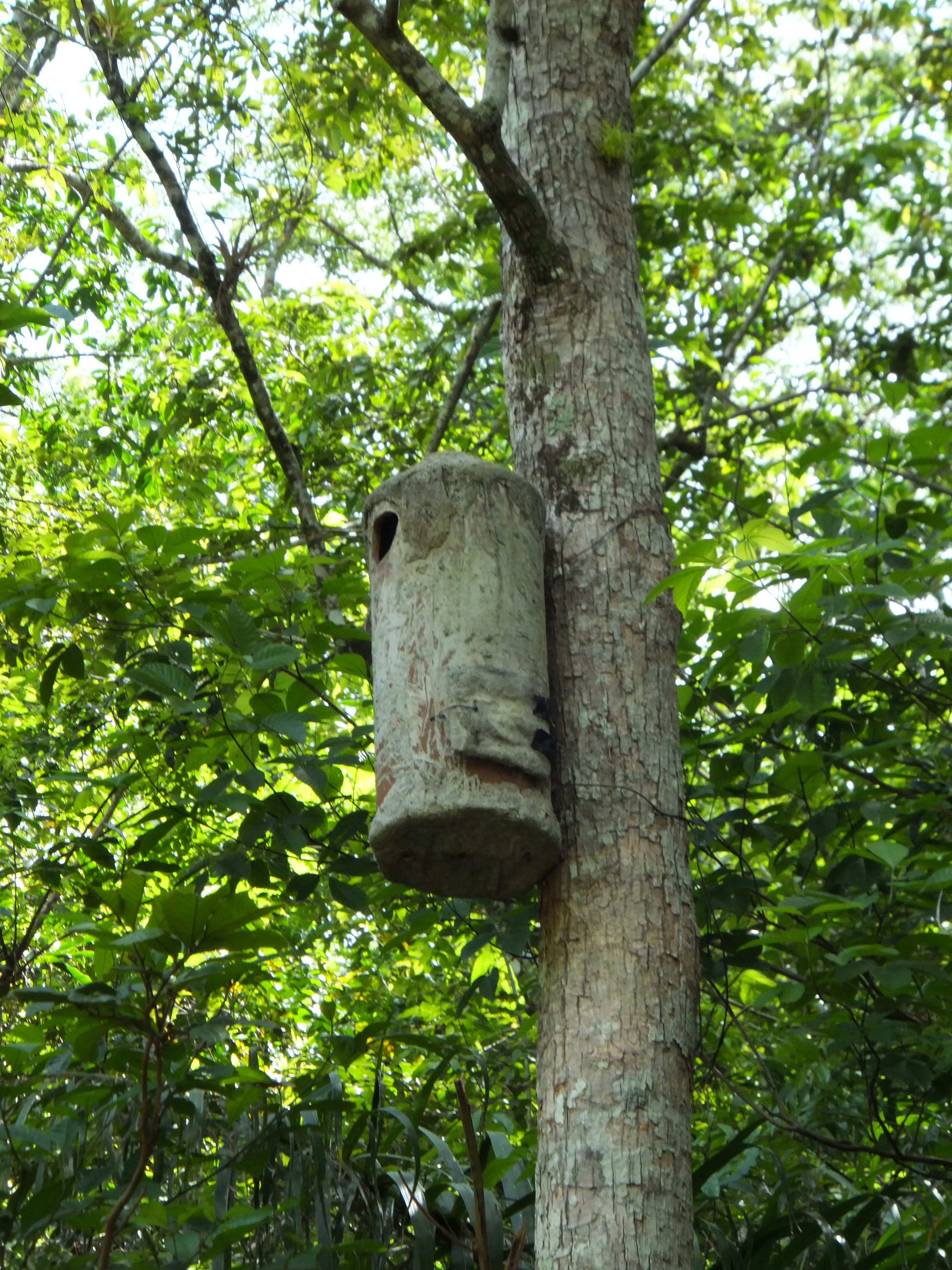
One of 85 artificial nests in Hanabanilla, Cuba. These nests are made out of mud and cement.

Arriving in Cuba, we quickly realized that the laws protecting their parrot population are loosely enforced, doing little to reduce the local parrot trade. Consequently, upon showing interest in the parrot population, Professor Paravisini and I were repeatedly asked if we wanted to purchase a parrot. This is particularly disheartening considering that the parrot population in Cuba is slowly decreasing. Through conversations with forestry officials, we were informed that one of their active conservation projects involves using artificial nests to promote breeding among the parrots since they nest in pre-existing tree cavities. This was a strategy we also noticed in St. Lucia and Dominica, with varying degrees of success.

In comparison, over the course of our time in St. Lucia and Dominica, it was easy to see the booming numbers of their parrot species. We were aware of an educational campaign that began in the 1970’s and 80’s, when the parrot species on both islands was at a dangerous low. Through our research, we found out that in Dominica, the forestry department began the parrot conservation efforts earlier than that, when one of their parrot species became a national symbol upon Dominica’s independence. We heard from several people that parrots had been spotted flying over the ocean in Dominica and were starting to become a pest for farmers in both countries, testaments to the increase in the population of parrots.

Amazona aurausiaca, Dominica’s red-necked parrot, spotted through a telescope in the Syndicate National Park.

In July, I was tasked with collecting all the information that was available through the Internet on the Caribbean macaws. This was a daunting task because all of them have been extinct for centuries, and most of them are categorized as “hypothetical” species. They are categorized in this way because there aren’t any fossils or skins of the macaws to scientifically support their existence, only brief descriptions written during the colonial period. Although most of the literature on the “hypothetical” macaws refutes their existence by comparing their descriptions to those of birds from other nearby islands, I was able to find the original descriptions as well as several depictions of macaws in paintings of European courts that match the descriptions of the “hypothetical” macaws. This finding was exciting because it supports Professor Paravisini’s theory that Christopher Columbus took several species of Caribbean macaws to European courts and to be traded, beginning the demise of the species.

Participating in this project was an incredible experience. It was inspiring to hear so many success stories and to have been a part of the first attempt to piece together the history of these birds.

Refugee Crisis and Social Action

This summer, Elise Shea, Professor Hoehn, and I conducted research into Germany’s ability to handle the arrival of over 1.5 million refugees since the beginning of 2015. With its large bureaucracy and numerous social programs, many refugees view Germany as their best option for restarting their lives.  We took the summer as an opportunity to better understand the actions Germany are taking on the Federal, State, and local level to determine what has been successful and where the state is failing the people.  Through this research we built connections and found pathways for Vassar Refugee Solidarity, the Mid-Hudson Refugee Solidarity Alliance, and the Consortium on Forced Migration, Displacement and Education to provide various services and initiatives that could pick up some of the slack of the German government.  This summer project also provided the opportunity for us to return to the grass-root level.  We had the opportunity, through various conferences and personal connections, to meet many people with forcibly displaced backgrounds, and to gain knowledge and understanding from them about what we as individuals, and as the organizations and universities we represent, can do to help.

Throughout the summer we attended various conferences and workshops.  We started our time in Berlin with a workshop at Bard College Berlin where we talked with other Members of the Consortium, as well as other small liberal arts colleges and exchanged ideas and projects to find points of collaboration and receive feedback.  It was at this workshop that we learned about BCB’s Arabic 101 program that looks to provide a space for community members and refugees to come together and discuss their daily trials and tribulations.  The same week, we attended the 10-day Conference called Germany, Europe, and the Refugee Crisis: The Challenge to Integrate.  This conference gave us a great introduction into the world of the German bureaucracy where we met with the DAAD, the Friedrich Ebert Foundation, and a member of the German Foreign Office. Although on one hand, the bureaucracy provides various critical services, it also can be very limiting in what services organizations could provide, as they have to stay within a very tight box in order to maintain their funding from the German government.  This conference introduced us to various professors and academics from universities around the United States and proved to be a great intellectual opportunity for us.  

From these two conferences and from the various other workshops we attended, we were eventually introduced to an amazing NGO in Berlin called the ReDI School for Digital Integration.  Due to their prime location, wifi, and numerous computers, the ReDI school seems to be our best opportunity for continued collaboration through our various digital initiatives.  While the entire summer experience has been very informative and helpful, finding and meeting this amazing NGO has really been the icing on the cake of this summer experience! I am looking forward to returning to Vassar to continue pursuing our new connections.

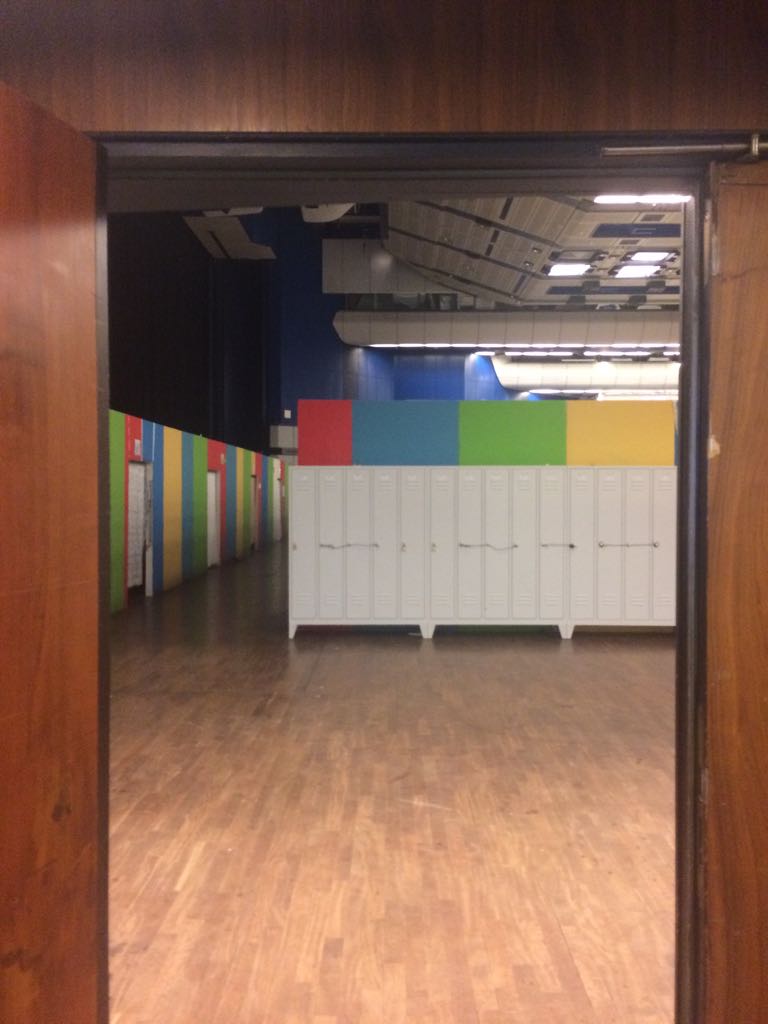
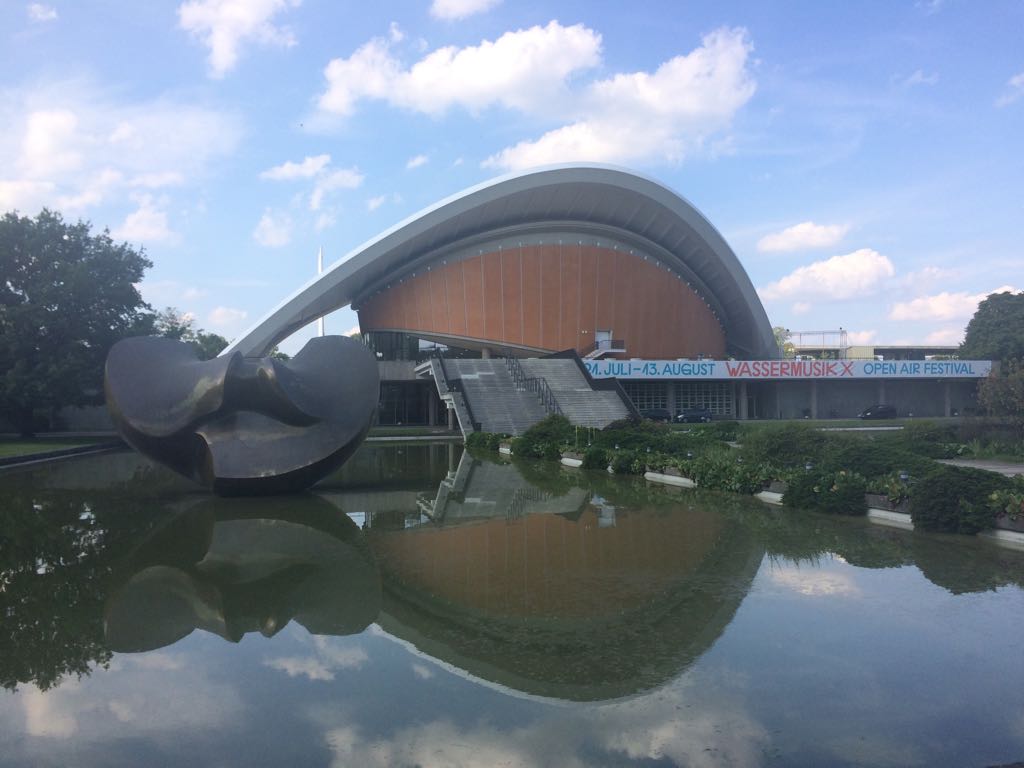
Right: The refugee home in Messe Nord at the ICC.  Most of the people live in this large room together.  The “homes” are 10×10 squares partitioned off by plywood and have no roof.  The lights are on from 6am – midnight.  Each person gets one small locker for their belongings. Left:  The House of World Cultures where the Face It! Konferenz took place. This conference focused on the topics of power-sharing, the production of knowledge, and the questions of what is political and who can be political.  


Refugee “Crisis” and Social Action

This summer Professor Höhn, Jessica Schwed, and I traveled to Berlin, Germany in an effort to better understand the refugee situation there, while also exploring avenues for project collaboration between various German institutions and Vassar College.

Between 2015 and 2016, around 1,210,000 people arrived in Germany, the majority of whom came from Syria, Iraq, and Afghanistan. By the end of 2015, 79,000 people had arrived in Berlin alone. 54,000 of these arrivals were granted permission to stay, which was 11 times the projected federal distribution quota.

Of particular significance to our project is the terminology used to refer to the “refugee crisis.” The term “refugee” refers to the legal status of an individual who has applied for and received asylum, therefore granting them refugee status. Through our work here, we have found that terms such as newcomers, forcibly displaced individuals, and people with a migration background are considered more politically correct. Though many of the individuals we met detest the term “refugee,” others feel they have earned the title and Additionally, what is coined the “refugee crisis” actually reflects and should be described as an administrative or political crisis. For the sake of clarity, I use the term “refugee” below.

To get us started, we attended three major workshops/conferences. Our first, at Bard College Berlin, allowed our team to learn about and discuss the various initiatives at Bard College Berlin, Sarah Lawrence College, Colgate University, Hamilton College, Hobart and Williams Smith Colleges, and Vassar College in an effort to identify points of collaboration regarding the refugee situation and receive feedback. The following 11-day intensive workshop organized for faculty in the U.S., “Germany, Europe, and the Refugee Crisis: The Challenge to Integrate,” provided us with a comprehensive overview of the refugee situation in Germany. During this time, we attended lectures by the Friedrich Ebert Foundation (associated with the Social Democratic Party), the Heinrich Böll Foundation (associated with the Green Party), the Migrant Welcome Center at Potsdamer Strasse, the Malteser Refugee Center ICC (a refugee shelter), the Chamber of Commerce and Industry, Federation of German Unions, Die KAUSA Servicestelle Berlin (which provides technical training for “newcomers”), the Arab-German Young Academy of Sciences and Humanities, The German Academic Exchange Service (DAAD), the European Commission’s Representation in Germany, the Paritätischer Wohlfahrtsverband Hamburg (women’s center), and Humboldt University, among others. Not only did this workshop provide us with an immense amount of research material, we were also able to make key connections with many of these organizations and the U.S. professors that attended the conference. Our final workshop, Face It! Konferenz, put us in contact with more than 60 established non-governmental organizations working with refugees in Germany.

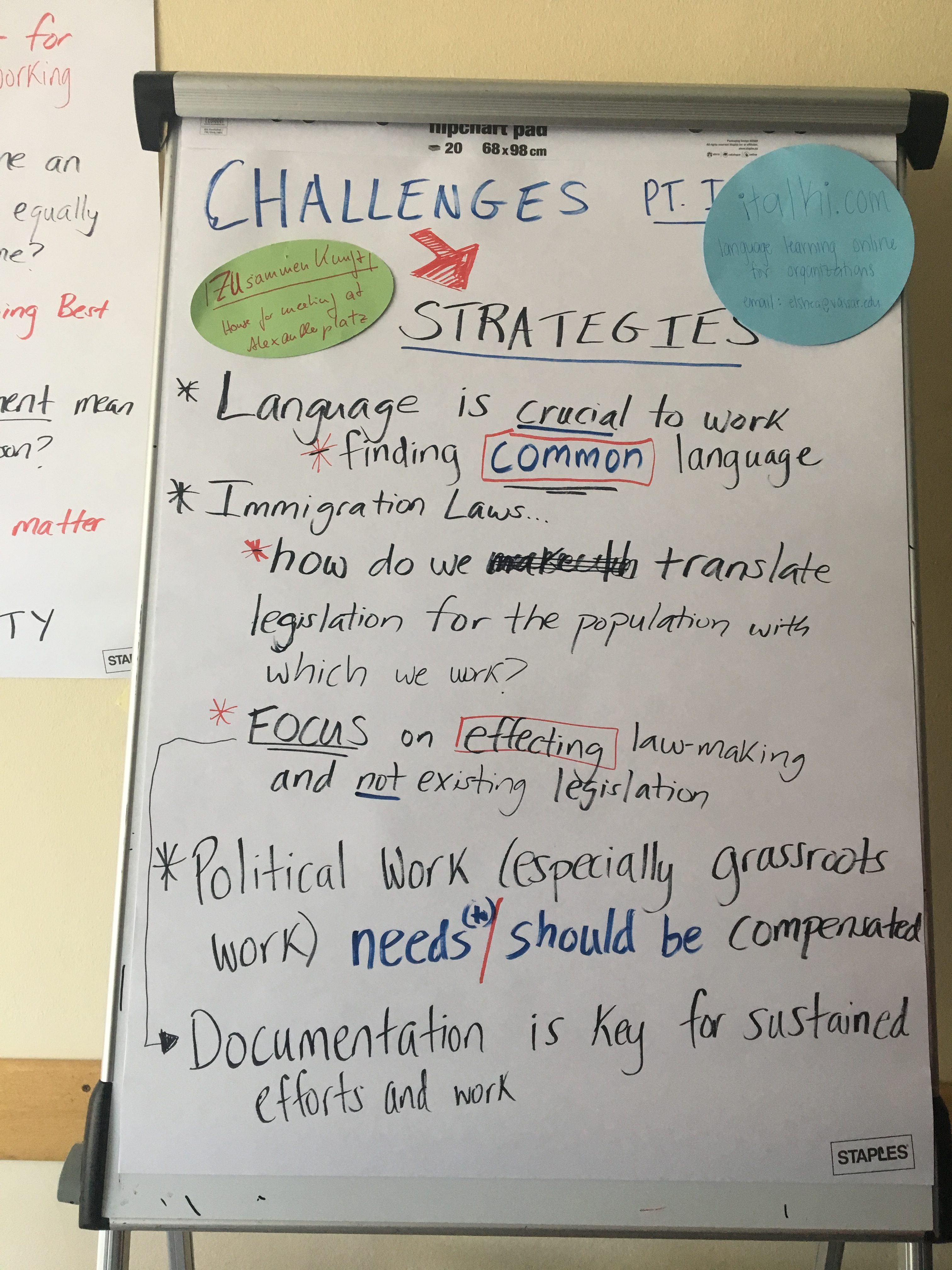
Group work at the Face It! Konferenz.

Undaunted by the intricate nature of Germany’s  bureaucracy and geared up with excellent contacts, we hit the ground running. For the remainder of our time in Berlin we focused on identifying partnerships and planning feasible projects together. Of particular interest is our collaboration with Malteser Hilfsdienst and Malters Werk, one of Germany’s largest social service NGOs with offices across the globe. They run numerous emergency shelters for newly arriving refugees and homes for settled refugees in Germany.  During our conferences we learned that many refugee women have a difficult time attending German language classes because of childcare responsibilities, so we began a partnership with Malteser in which we will coordinate with their existing refugee-German tandem project: German language professors and students in the United States will join in this buddy system and offer private, online tutoring sessions for women free of charge. The idea is that this makes German language learning more accessible to refugee women and provides an opportunity for cross-cultural relationships to form.

Our collaboration with the ReDI-School of Digital Integration might prove to be our most exciting yet. The ReDI-School is a non-profit digital school for tech-interested newcomers applying for asylum in Germany. Their programs offer students high-quality training and the chance to collaborate with the start-up and digital industry. Currently we have plans to offer Vassar courses to students enrolled at the ReDI-School as part of Vassar Refugee Solidarity’s Transnational Classroom project. This collaboration would enable Vassar students to learn alongside students in Berlin, fostering a more robust learning environment on both sides of the Atlantic. We also found incredible interest in our Arabic tutoring program called Conversations Unbound. Starting as a program within Vassar Refugee Solidarity, Conversations Unbound pairs students studying Arabic with tutors with a forcibly displaced background. The students have homework to practice their conversational Arabic online with their assigned tutor and the tutor receives payment for each session. From only two presentations at the ReDI School, we received over twenty tutor applications. By establishing this program at the ReDI School, we’re able to better institutionalize Conversations Unbound at Vassar College and expand to many more colleges and universities.

Adel, a student at the ReDI-School, presenting his project at Demo Day.

Finally, this research and on-the-ground exploration has equipped us with the knowledge to help craft and organize a course curriculum on forced migration and displacement for Vassar College and the institutions participating in the Consortium of Forced Migration, Displacement and Education.

Historical Research in Support of Archaeological Excavations at the Home of Franklin D. Roosevelt

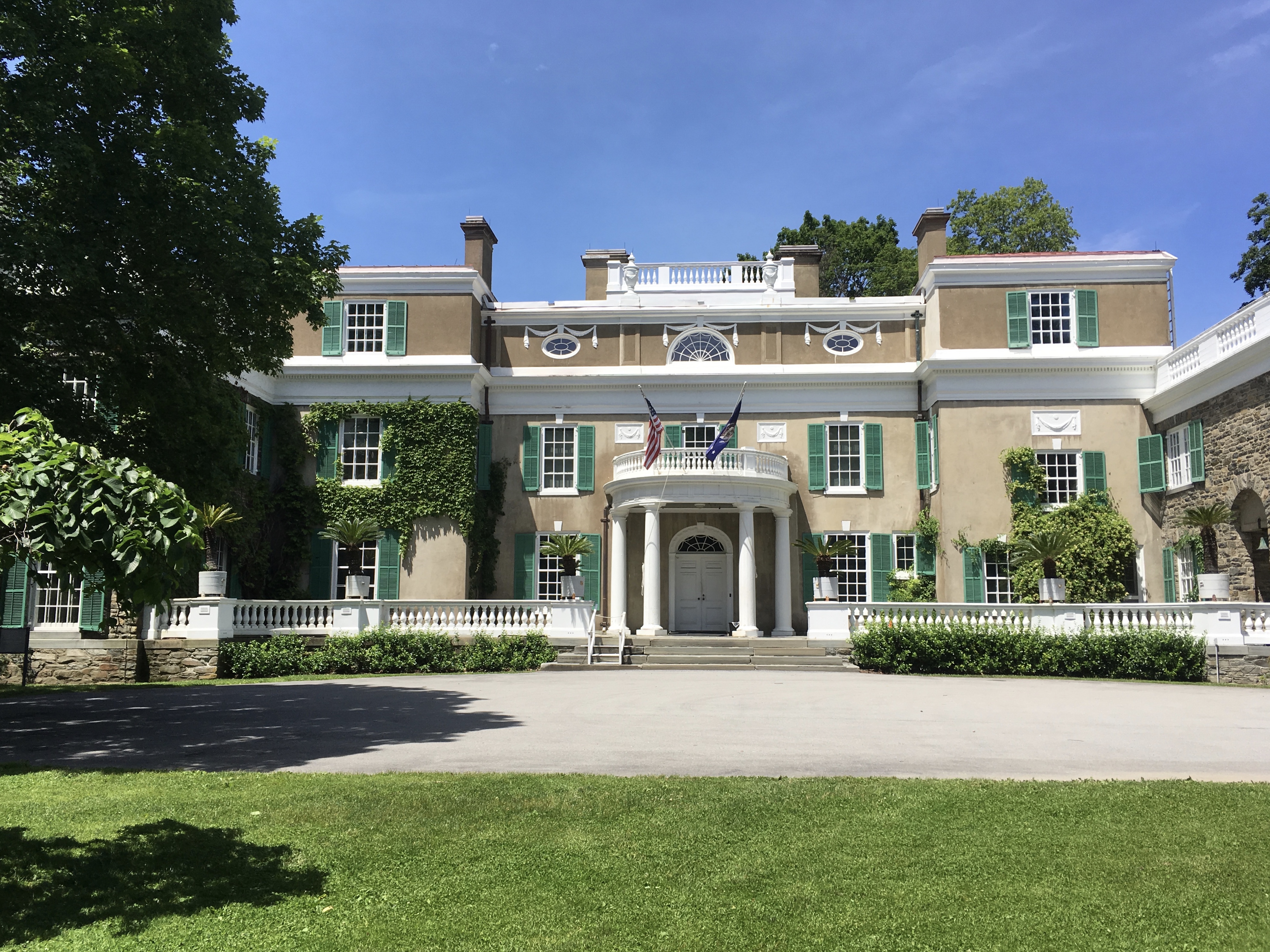
Roosevelt Springwood Mansion–Photo by author

This summer, I was part of an archaeology team that worked on an excavation project of dump sites at the Home of Franklin D. Roosevelt National Park in Hyde Park, NY. The project was led by Professor April Beisaw and my fellow team members included other Vassar students– Jonathan Alperstein, Kelly Bernatzky, Ray Cagnetta, Pedro Millard, and David Sparks. Our job was to excavate the site and analyze the artifacts and data to determine the origin and time period of the dump. Preliminary dating of the sites was roughly in the middle of the twentieth century and many of the artifacts collected were vessel glass, metal fragments, ceramics, windowpane fragments, and an array of other things.

This project is three years long and I joined on the second year after one site was already excavated and we were beginning to excavate the second site. As someone who has never done archaeology before, this project was very beneficial because I got to jump into the uncompleted lab work for the first site, Riverside site, but I also got hands-on experience at a dig site with the second site, the Woods site. On top of my history focused work, I gained valuable practice and exposure about delineating a site, excavating, and surveying the land while at the National Park. Back at the lab, I learned how to wash, prepare, and rebag artifacts, inventory, catalog, research, and draft report pieces.

As a history major, my specific specialization on the project was determining the dating and history of the artifacts and sites. I spent a lot of time identifying and researching artifacts using maker’s marks, internet searches, china patterns, books, and collector’s websites. Some artifacts were very diagnostic, like Milk of Magnesia bottles, while other items were more frustrating, like ferrous nails or tiny paper fragments. The project is ongoing, so I cannot yet write conclusively about a more specific date for the site, but many of the date intersections of the artifacts from the Woods site are in the mid-to-late 1930s.

Milk of Magnesia Bottle from Woods Site–Photo by author

Burned Paper Fragments from Riverside Site–Photo by author


In addition to field and lab work, the team got to attend a tour of the Roosevelt Springwood Mansion for context. Even on a tourist endeavor, we found valuable information regarding our project, a china piece in the parlor matched one of our artifacts, allowing us to figure out the pattern and history. David and I also had the opportunity to conduct extra research at the FDR Presidential Library and Archives in regards to the history of the land. Even though our artifacts and research so far do not point directly to FDR or his immediate family, the archives allow us more access to information about his tenants, servants, workers, extended family members, and neighbors who also used the land.

This summer experience has allowed me to explore research in a very interdisciplinary manner; I applied many of my history skills while at the same time learning about archaeology and anthropology. I am grateful to have the opportunity to get hands-on experience and skills that I will carry on to other research opportunities and I look forward to continuing this project in the fall.

By Earth and by Sky: Spherical Panoramic Architectural Photography

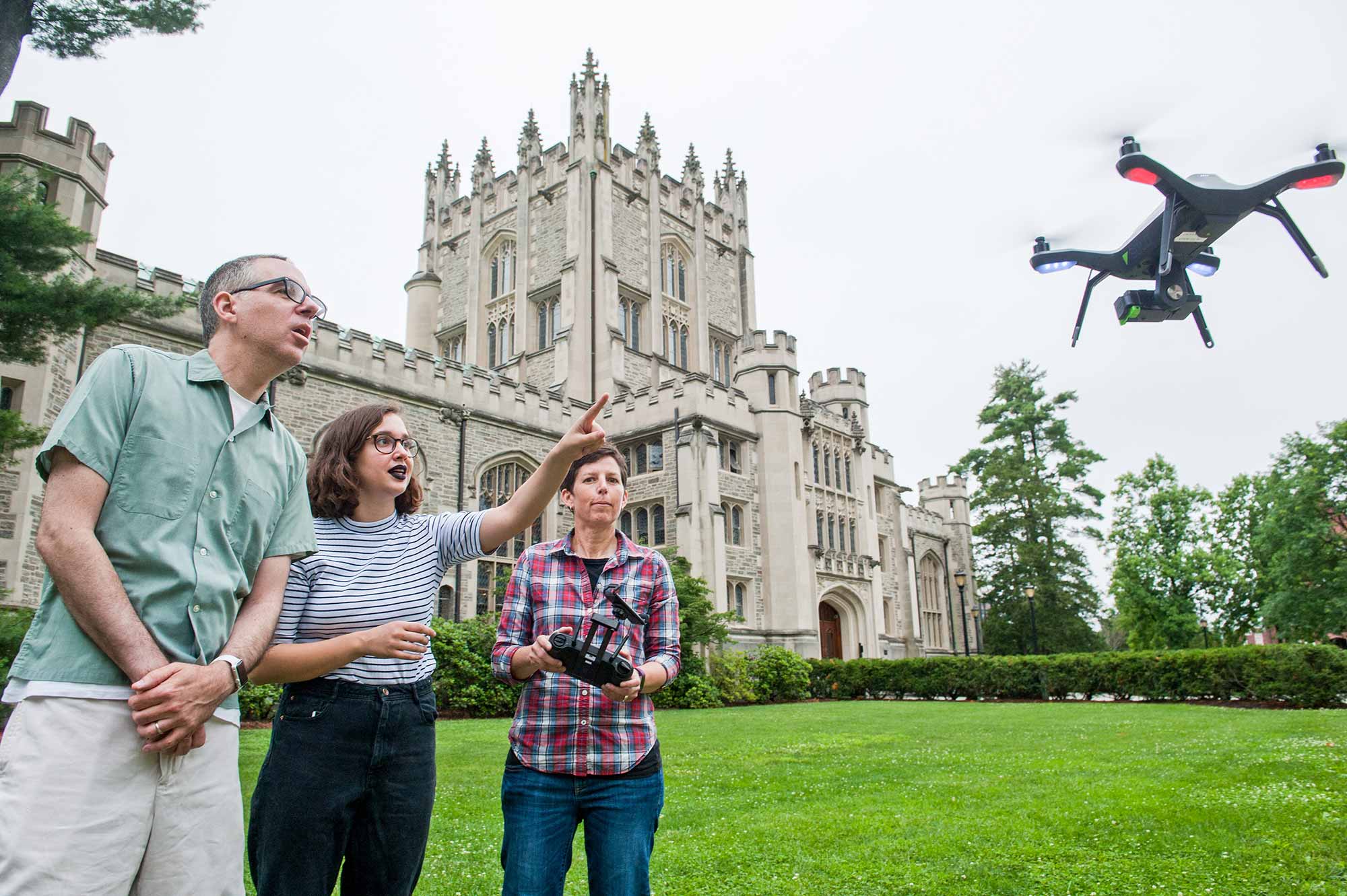
This summer I worked with Professor Andrew Tallon on his project to document architecture  with the possibilities offered by droning and new 360-video technology for an enhanced interactive experience.

Flying a drone with a GoPro camera mount in front of the Vassar library. (From left to right: Professor Andrew Tallon, Karly Andreassen, Amy Laughlin)

Over the course of this project I became familiar with the controls for flying drones in both indoor and outdoor settings. I learned how to shoot 360-video and gained an understanding of the mechanics behind the production of spherical photo and video.  It was also necessary to learn software specifically for synchronizing, editing, and stitching 360-video. With little documentation and many issues to troubleshoot, becoming familiar with this technology was an uphill battle.

Our tests with both 360-video collection and droning then became the foundation for the methods that were used on Professor Tallon’s trip to France where he shot a video sequence on the roof of the Cathedral of Notre-Dame showcasing some of the damage the cathedral has sustained over the centuries.

An example of what can go wrong when sticthing spherical video – due to the current limitations of these cameras parallax errors occur where videos overlap leading to these distorted images which must be manually edited out of the final product.


As the result of the building’s acquisition by the French state in 1905 and the defunding of maintenance to the cathedral after budget cuts, many structural and decorative aspects of the building have become susceptible to The foundation co-founded by Professor Tallon, the Friends of the Cathedral of Notre-Dame, seeks to raise funds for the ongoing restoration of the cathedral. Besides editing the video tour, I took on the challenge of redesigning much of the FNDP website to be more user friendly over the course of the summer.

The footage collected this summer has now been published on the website for the Friends of the Cathedral of Notre-Dame in the hopes that it will increase public awareness for the current state of the historic structure. By allowing the viewer to interact with the building in real time, this experimental footage allows for the cathedral to come alive for people who previously did not have access to such a space.


If you would like to learn more about the cathedral and the ongoing restoration effort please visit the FNDP site at http://notredamedeparis.fr/friends/

Hi-Phi Nation, Season 2

This June, I aided in the production of season two of the hit philosophy podcast, Hi-Phi Nation, produced by professor Barry Lam. Tatiana Esposito-Von Mueffling was also an assistant, not through the Ford program. We transcribed tape, as per Barry’s guidelines, adding timestamps, labeling speakers, and generally cleaning up the auto-transcribed jumble of words for clarity. Much of the tape we worked on was pre-recorded by Barry at the National High School Ethics Bowl, which provided many opportunities to listen to students from all around the country and from many different socioeconomic/ethnic backgrounds; students from a conservative all-girls private school from Texas and students from an inner-city Detroit high school appeared on the same tape, for instance.

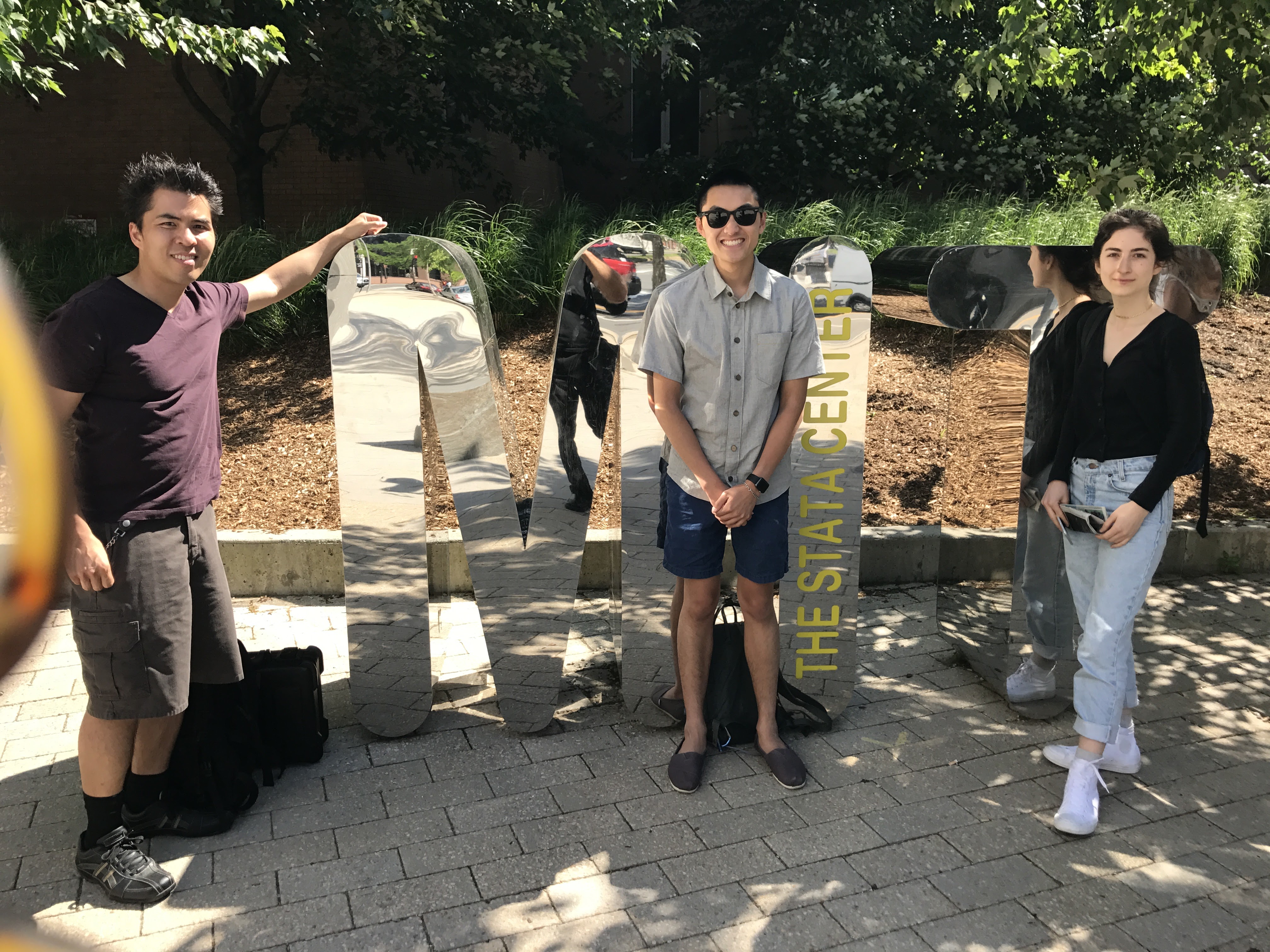
Then, we took a day trip to Boston on June 15th to interview MIT professor and philosopher Kieren Setiya about his upcoming book about/his own midlife crisis.

Photo of the team at MIT, during an interview-trip to Boston.

We used Hindenburg audio editing software, Google Docs, and Google Hangouts this summer to do work.
Another project I worked on was research for future episodes; I chose to find contacts for and information about drug addiction, legal language, and revenge. I also helped Barry with an interview for an upcoming episode about covers in music; we interviewed a music expert and philosopher from upstate New York about what a cover is and the different implications of covers. I especially enjoyed doing this work, as I am an avid musician. The three (two interviewees and Barry) talked for a while and referenced many songs I knew (“Iron Man,” “Respect,” to name a couple), while I sat in the home studio of Barry’s and listened intently. This single recording session was also the most densely-educational hour of the whole month for me: Barry showed me his recording equipment and how it all worked, how the microphones were set up, and how he positioned each one differently depending on the type of microphone being used, etc.
This philosophy podcast was fun and educational to work on, and I am very grateful and glad to have completed this 2017 Ford Scholars project.

Off the Rails: Railroad Abandonment in the 20th Century

What happened to rural communities when they lost access to railroads in the 20th century?

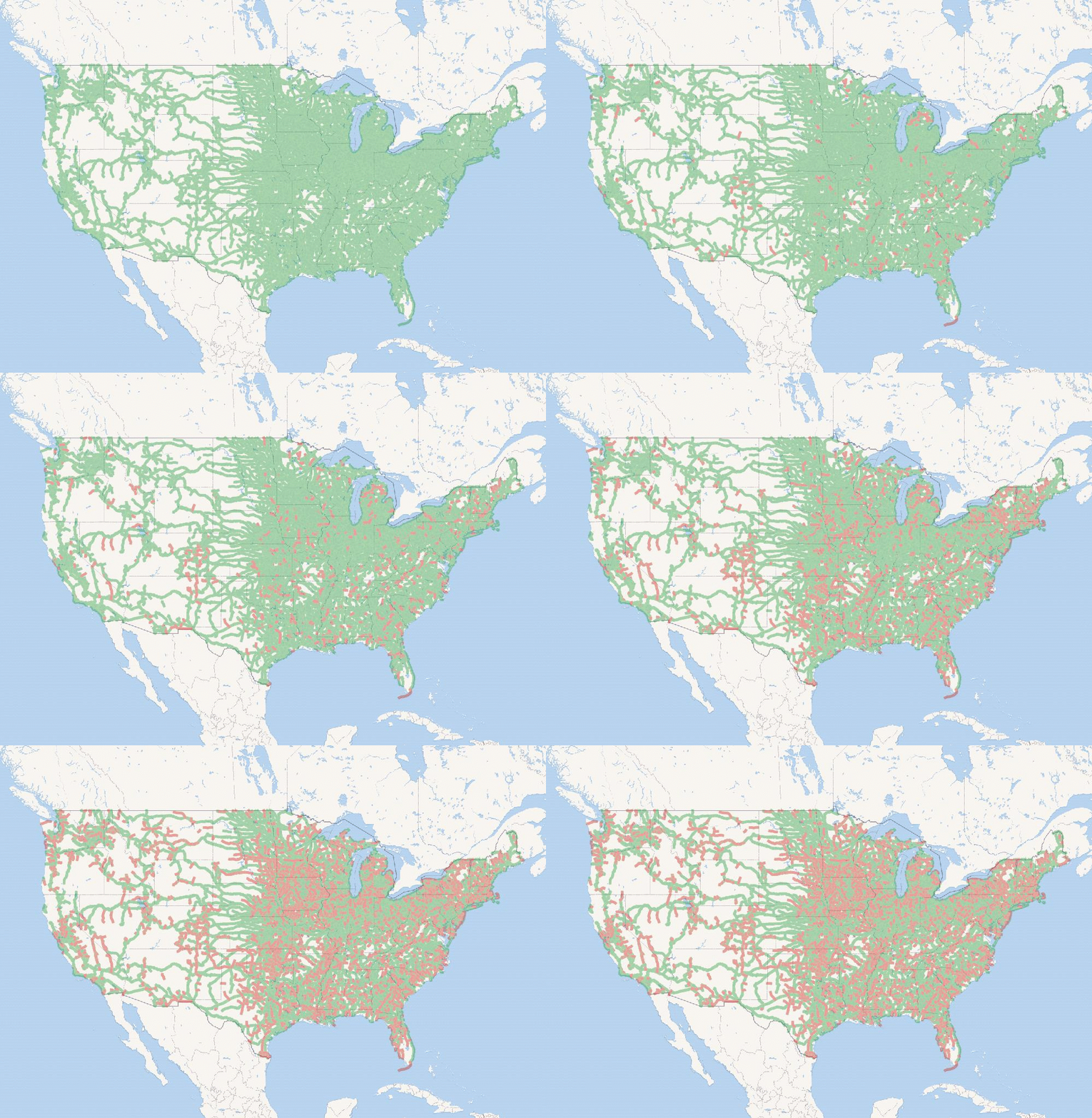
Nearly 40% of all railroads have been abandoned, but a digitized map of abandonments had not yet been constructed for research. This summer, Professor Dustin Frye and I constructed a digital map of railroad abandonments during different period in the 20th century.

Constructing the map required digitizing existing maps of abandonments and matching them to existing digital maps of historical railways. This was done “by hand” in GIS software, and required many hours of additional line-construction and archival research.

Using this exclusive data resource in conjunction with U.S. census data, we are now exploring the impact of railroad abandonment over time.

Railroad abandonments over time; Above: United States; Below: New York State

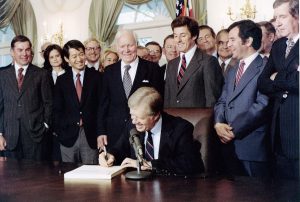
Our initial findings suggest that the regulatory regime has been a significant factor in whether railroad abandonments have had a strong impact on short- and long-term development. Prior to 1980, railroads were heavily regulated by the federal government and strictly controlled the abandonment process. Preceding a tidal wave of deregulation under Ronald Reagan, President Jimmy Carter deregulated American railroads through the Staggers Act of 1980.

President Carter signs the Staggers Act of 1980

Deregulation allowed railroad companies to abandon unprofitable lines without regard to the impact on rural communities. Consequently, our early findings suggest that communities that underwent abandonments after deregulation were more severely impacted. The data suggest that deregulated abandonments caused lower wages and a selective out-migration of poorer residents.

Moving forward, we will further solidify the evidence and explore agricultural shifts over the same period due to railroad abandonment. We will also examine satellite data to examine regional growth patterns around abandoned lines and their respective stations. 

We hypothesize that agricultural areas shifted their mix of products in response to railroad loss, as certain products such as wheat are only feasibly transported via rail systems. We also expect that urban growth (as measured by satellite data) will slow or reverse in rural towns dependent on railroads and their associated industries.

This project was and continues to be exciting and fulfilling for us, and we’re immensely grateful to the Ford Scholars Program for their support this summer.

Antebellum U.S. Fertility and Childbearing: The South and the Frontier

Much of the historiography on U.S. fertility suggests that there was a general “decline” in national fertility rates in the early half of the nineteenth century, before the Civil War [1]. Amidst our four weeks of research however, Professor Edwards and I uncovered novel fertility trends contrary to this generalization, characterized by regional differences throughout the United States.

For the past three years, Professor Edwards and her students have been collecting data on American families from nineteenth-century U.S. census and genealogical records, as part of a larger project investigating the reproductive role of women in U.S. politics and the construction of a continental empire. Using the data that had been collected, this summer, as part of my research, I conducted several statistical analyses to examine how fertility and family structure varied in different regions of the antebellum United States — particularly, the South and the Frontier. 

Fertility In her research, Professor Edwards defines fertility as the total number of children born to a woman. Unlike previous studies, which have calculated fertility rates as a ratio of the number of children living to the number of women of childbearing age, we calculated fertility rates based on the number of children individual women reported having in the 1900 U.S. census. This census was particularly useful because it was the first time in history when women were asked how many children they had borne, for official records. The data collected from this census allowed me to work with massive files, oftentimes containing thousands of observations, with detailed information on each mother, including her race, marital status, year of birth, occupation, literacy, and even her husband’s profile.

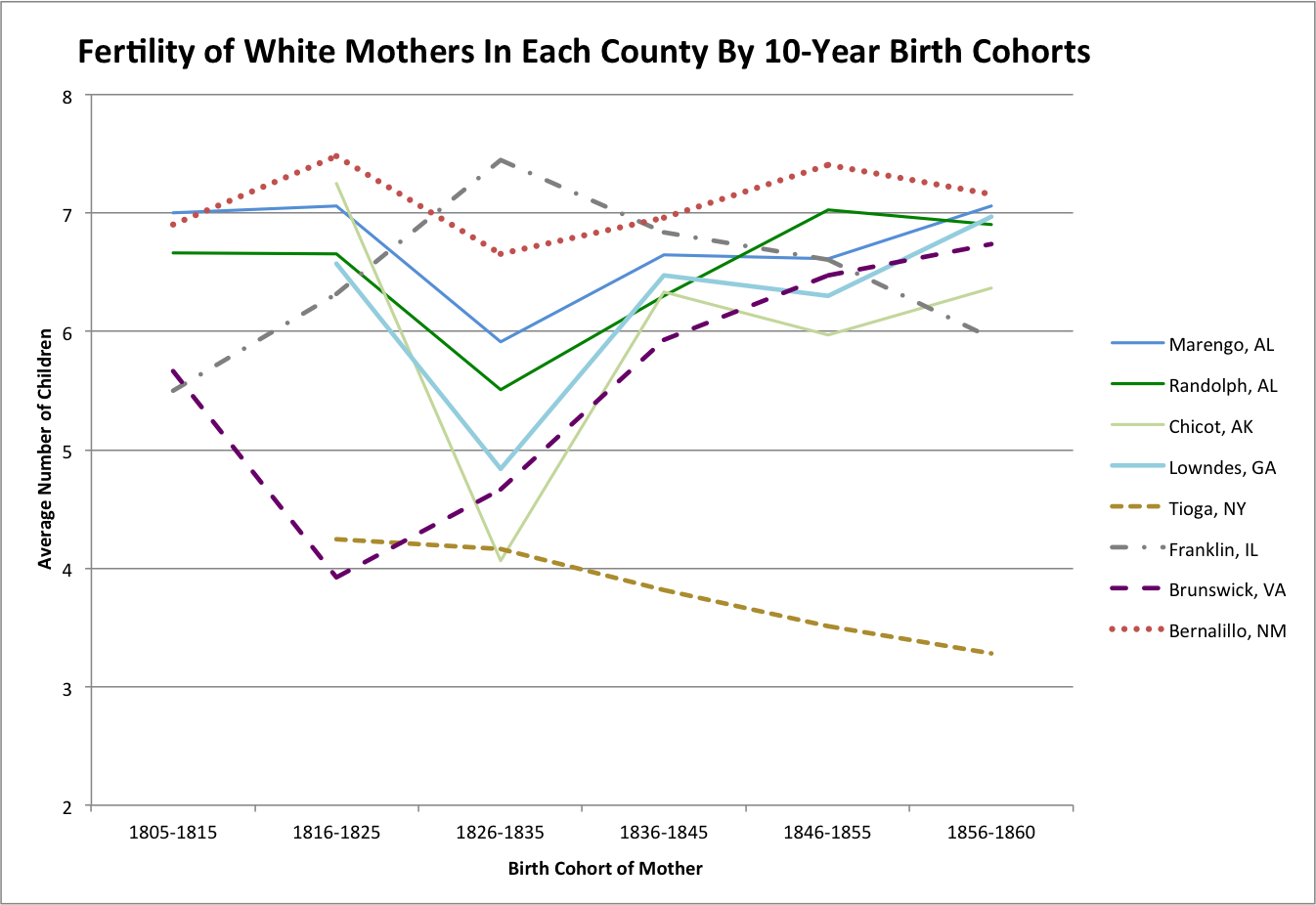
Data on mothers born before 1860, from the following counties, was used to run a series of t-tests in the coding program Rstudio:

  • North: Tioga County, NY
  • Northwestern Frontier: Franklin County, IL
  • Southwestern Frontier: Bernalillo County, NM
  • Upper South: Brunswick County, VA
  • Deep South: Lowndes County, GA, Chicot County, AK, Randolph County, AL, Marengo County, AL

Analysis of Data Within each region, I specifically evaluated how fertility and family structure differed according to the race, socioeconomic status, place of birth, and education, of mothers, as well as fathers, in some cases. When assessing fertility, it was particularly important to group mothers in each region according to race, since African American mothers, subjugated to the authority of slavery, led drastically different lifestyles when compared to white mothers. Unsurprisingly, our analyses showed that African American mothers, in both the North and the South, on average, had significantly higher fertility, than white mothers. Interestingly, in Bernalillo New Mexico, the only county sampled which included data on Native American and Mexican women, white mothers on average, had significantly higher fertility. These findings were congruent with previous assessments of antebellum fertility based on race.

In order to draw more precise conclusions, we examined several factors within each race, by region. Occupation, for example, was used to measure how socioeconomic status affected fertility. We designated each mother’s occupation as either “agricultural” or “non-agricultural,” assuming that individuals with agricultural jobs were of lower socioeconomic status than those with non-agricultural jobs. We then conducted a t-test to determine whether or not there was a significant difference in the average fertility of the two groups. This was repeated for fathers’ occupations. Aside from this, mother’s place of birth was used to examine women’s mobility and explore whether or not fertility differed between mothers born in a particular region, and those who migrated to that region. Literacy rates of both mothers and fathers, were also examined to determine whether or not fertility differed based on parents’ education. In addition to these factors, we further assessed how family size, difference in age of parents at marriage, and child survival rate, all affected fertility patterns in different regions of the U.S.

The graph above, which illustrates the fertility rates of white women according to their respective birth cohorts, shows that fertility was highest in Western Frontier counties (which we expected due to Frontier conditions and the ideals of Westward expansion), then the South, and finally, the North. Interestingly, in the North, and even on the Western Frontier, factors such as literacy, occupation, and place of birth, all contributed to differences in the fertility of white mothers, in ways that we expected. However, these factors were not significant to the fertility of white Southern mothers. The question of why fertility was so high in the South therefore leads me to the second part of my research this summer —  disease.

Browsing through nineteenth-century census maps illustrating the prevalence of certain diseases throughout the United States

Disease According to Todd L. Savitt, professor of History and author of Disease and Distinctiveness in the American South, “The Old South’s health problems were a result of environmental and cultural factors,” which allowed particular diseases to thrive [2]. Such factors contributed to what Savitt calls a “Southern distinctiveness” that separated it from the rest of the country [3]. Indeed, “the inviting physical environment for insect life, the general disregard for the draining of swamps and marshes, and the steady influx of blacks,” all allowed diseases such as malaria, yellow fever, hookworm, and pellagra, amongst many other diseases to remain prominent in the South [4]. Staying within our realm of research, I combed through primary and secondary sources to decipher how these diseases may have affected pregnancy, infant and child mortality, maternal mortality, and family planning, with regards to fertility. However, drawing conclusions using the available data was particularly challenging since during the nineteenth century, diseases were oftentimes misdiagnosed. Additionally, there was little to no information on immunity, access to medicine, child-spacing, stillborn births, and other factors that may have influenced the fertility of the mothers in our dataset. This therefore paves the way for future research!

Professor Edwards and I made numerous discoveries from the sources we came across and data we analyzed over the course of our Ford Project. Although there were limitations to our data, there is still much to discern from it. Our research, which examines fertility in a new way, underscores that fertility trends varied according to specific factors in different regions of the antebellum U.S. Moreover, it gives us insight into the ways in which different groups of women in different parts of the country contributed their reproductive labor to the evolving nation.

[1]  Herbert S. Klein, A Population History of the United States, (New York: Cambridge University Press, 2004), 68. 

[2] Todd L. Savitt, Disease and Distinctiveness in the American South, edited by James Harvey Young and Todd L. Savitt (Knoxville: University of Tennessee Press, 1988), 10.

[3] Savitt, Disease and Distinctiveness in the American South, 2.

[4] Savitt, Disease and Distinctiveness in the American South, 9.


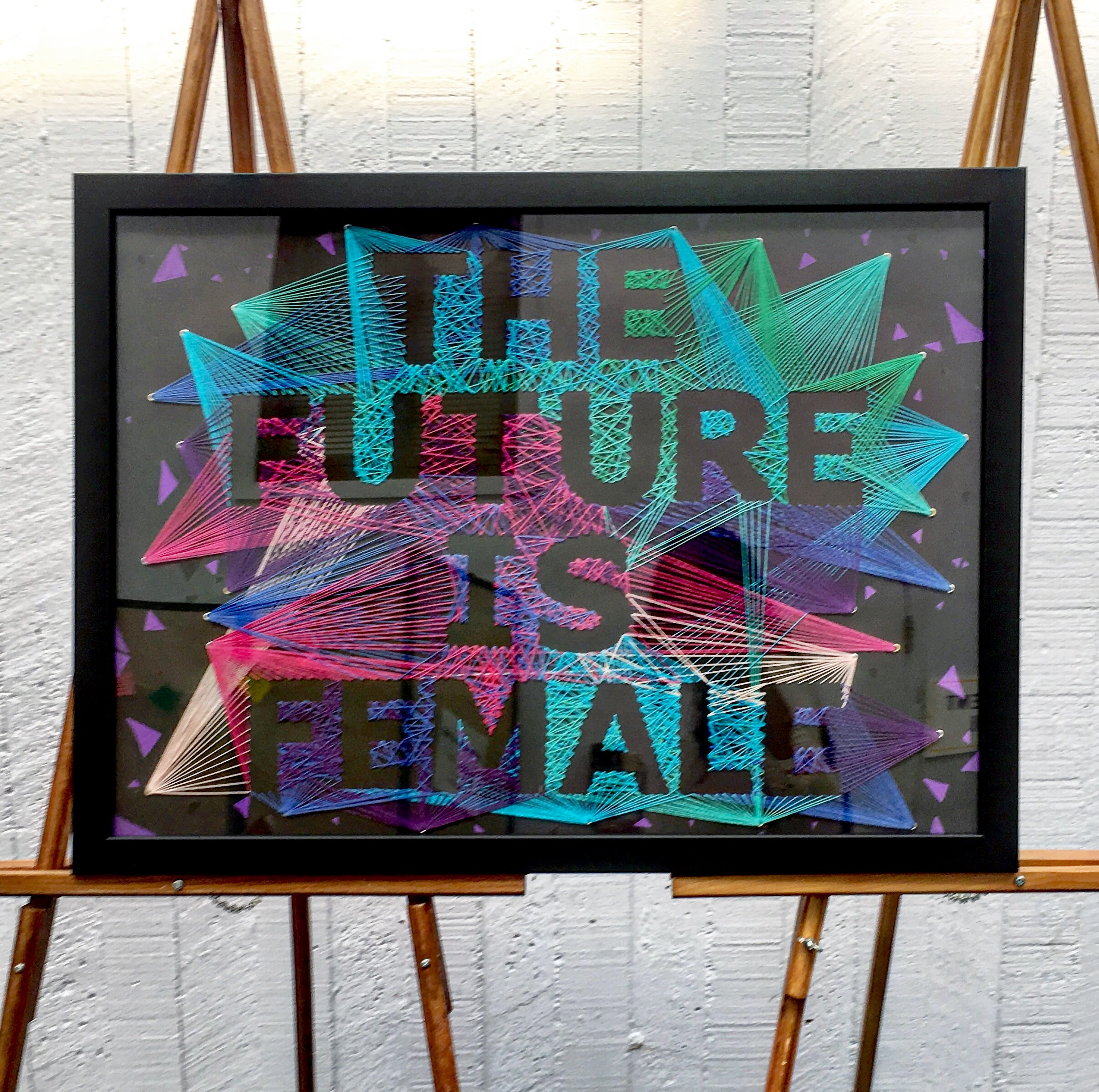
Art piece featured at the 2017 Berkshire Conference of Women Historians

2017 Berkshire Conference of Women Historians Prior to our month spent doing research,  Professor Edwards and I had the opportunity to attend the 2017 Berkshire Conference of Women Historians, at Hofstra University. Historians from all around the world gathered at the triennial conference to discuss and debate historical and present-day issues relating to women, gender, and sexuality, both within, and outside of academia. I had the privilege of attending a variety of panels, many of which were related to matters Professor Edwards and I were researching, and some of which I was simply intrigued by. In addition to attending these panels, I was also able to meet former Vassar students, now accomplished historians, and learn about their particular fields of research. Attending the conference indubitably allowed me to gain a sense of the vast scope of research that exists amongst women and gender historians, and acquire a greater appreciation for the fascinating work that they do.


– Alicia Lewis’18

The Tatler

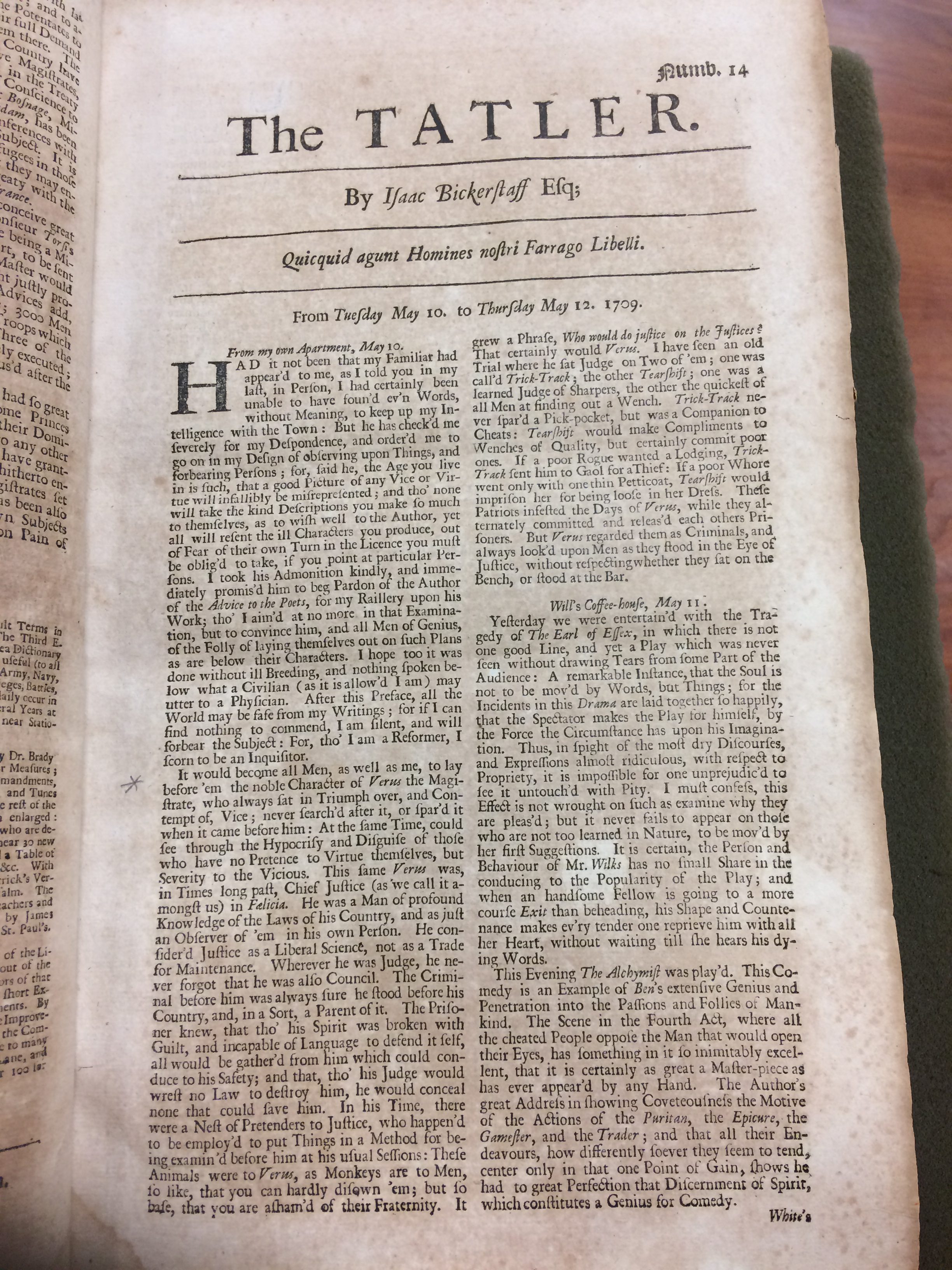
This summer, Professor Robert DeMaria Jr., Brooke Thomas ’17, and I worked on compiling a critical edition of The Tatler, to be published by Cambridge University Press in 2020. The Tatler was a pioneering British periodical journal founded by Richard Steele in 1709. Widely considered to be a key point of development for the periodical essay as a form, The Tatler preceded other influential periodicals such as The Spectator and Samuel Johnson’s The Rambler (DeMaria 529-534). Noted satirist Jonathan Swift influenced the journal’s inception, though he was eventually replaced by Joseph Addison. Under Addison and Steele’s purview, The Tatler ran for 271 issues, from 1709-1711. The content of The Tatler oscillated between social commentary, literary criticism, philosophical musings, and even (in its earlier stages) news reportage.

Brooke and I spent much of our summer establishing the text for Professor DeMaria’s edition. This process of editing included ensuring textual consistency in matters of spelling, punctuation, and italicization. We also collated three early editions of the journal, noting all differences among them in order to record a history of the composition of the text. To properly accomplish this, we spent extensive time in Special Collections taking photos of the folio, duodecimo, and octavo editions of The Tatler, all printed within a few years of its original circulation. The copy-text for this particular edition is taken from the octavo edition, what Professor DeMaria considers the most complete and authorial of all the printings we have access to.

Octavo edition. Image courtesy of Vassar College Archives & Special Collections Library.

In addition to daily collation, I researched theories of textual criticism to supplement my understanding and appreciation for the work I was doing. Texts I read included Jerome J. McGann’s A Critique of Modern Textual Criticism, D.F. McKenzie’s Bibliography and the Sociology of Texts, and the bibliographic work of William B. Todd.

Folio printing. Image courtesy of Vassar College Archives & Special Collections Library.

-Nick Barone ’19

Images Courtesy of Vassar College Archives & Special Collections Library.

Sources:

Robert DeMaria Jr., “The Eighteenth-Century Periodical Essay” in John Richetti, ed., The Cambridge History of English Literature, 1660-1780 (Cambridge: Cambridge University Press, 2005), 527-548.