
Boys Love, otherwise known as BL, is an immensely complex genre with a rich history. Originally developed from Shoujo Manga(comics) by women writers around the 70s in Japan, it is now a global phenomenon. It is a romance genre where generally, the two protagonists are both men. Now, hundreds of mangas have been adapted into television shows, and it is loved and revered by viewers around the world from China, Thailand, Korea, Taiwan, and even America in recent years.
You may have never heard of the genre BL. You might have already watched dozens of BL TV shows. You might even hate it or have a lot of critiques of it. The goal of this summer project was to consider all of these different perceptions of BL, and see how it is playing a role in the Japanese context of entertainment production, as well as feminist and queer politics.
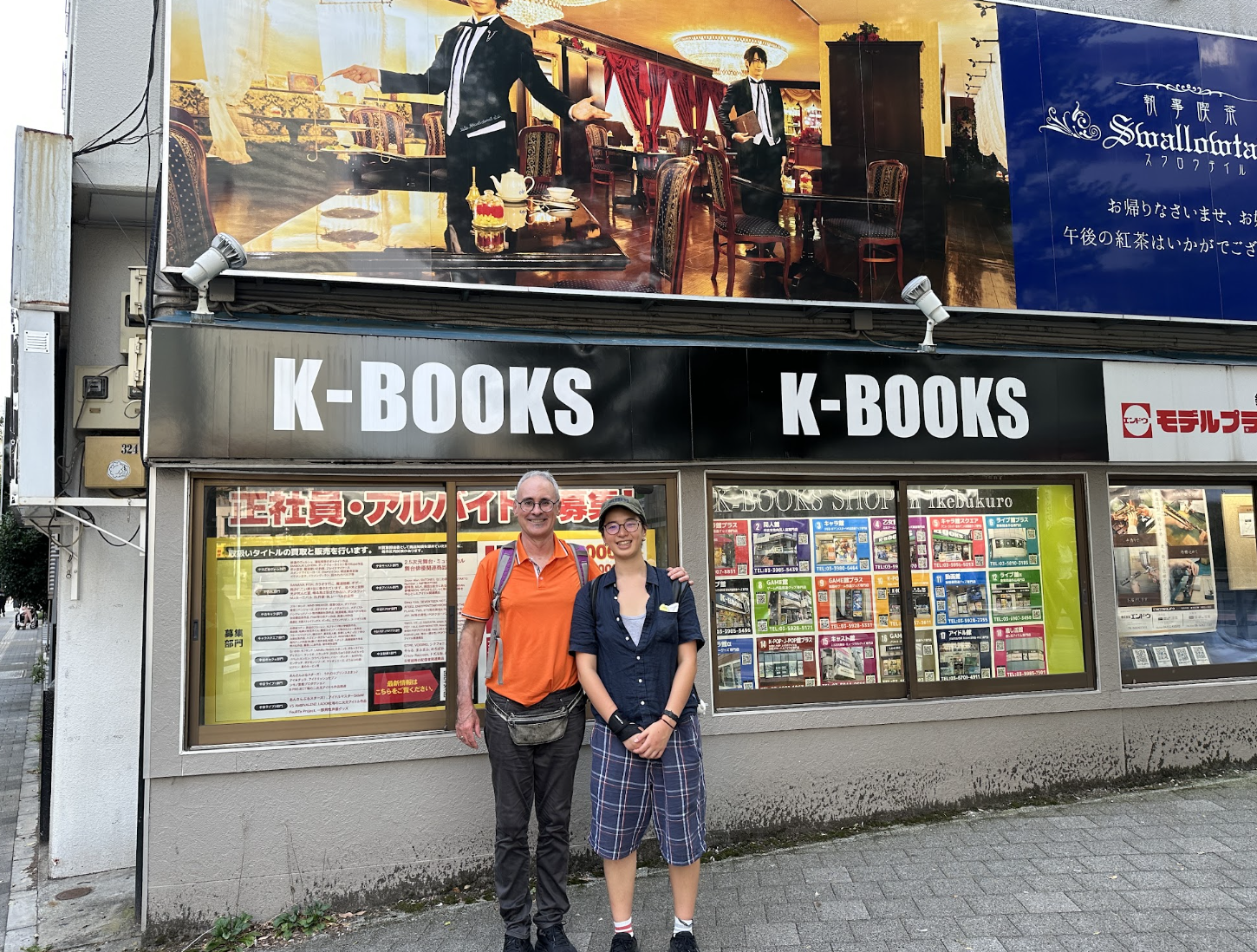
Professor Schneider had already conducted interviews in Thailand and Taiwan, but this time he was going to devote his summer to Japan. Before we even started contacting people to interview during our trip to Japan, I had to familiarize myself with the history of BL, queer theory, and Japanese culture. I found out that BL comics were mostly enjoyed by women around the world, in regions like East Asia where misogyny, patriarchy, and Confucianist family values are so deeply rooted in society. Women consequently turned to writing and consuming BL where they can use this fantasy world as a facet to freely explore romance and sexuality through two characters who are on equal footing(as opposed to a heterosexual romance where this is a gendered dynamic between a man and a woman).
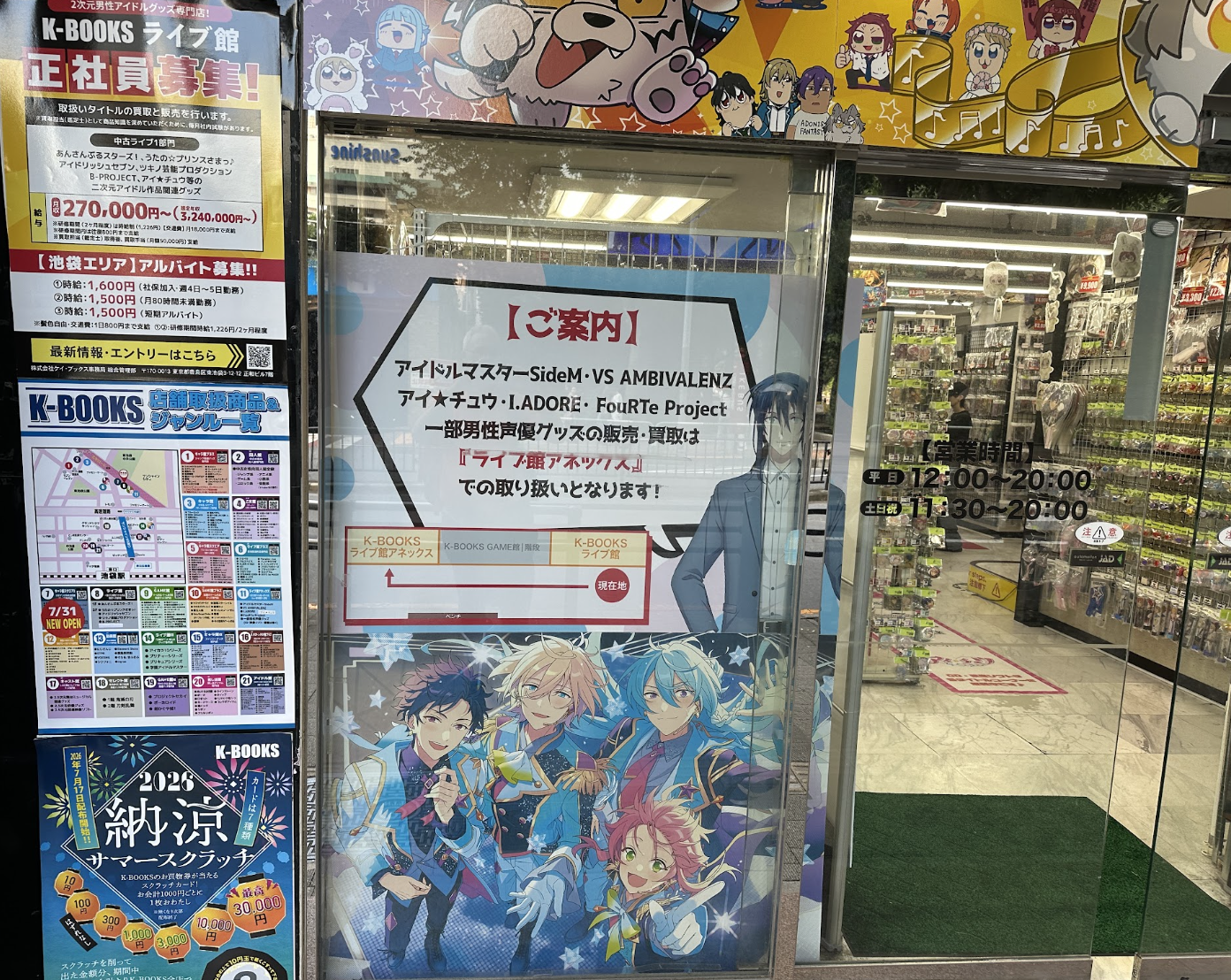
We also watched dozens of BL TV shows. This ranged from very Shoujo manga-esque TV shows, to more political ones– ones that challenged and pushed the boundaries of what we know as BL. We also looked into the challenges surrounding “political correctness” in media, and how this may prevent the creation of more complex narratives.
With this, we decided to cold email dozens of directors, producers, and actors who were involved with BL television shows in Japan. To our surprise, most of the directors got back to us and agreed to have an interview with us.
In the end, we were able to interview around 12 different people within the span of 3 weeks. This ranged from intimacy coordinators, LGBTQ non-profits, directors, actors, producers, and screenwriters. These interviews ranged from 1 hour to 3 hours, so I could probably write a whole book about it– but that is exactly what Professor Schneider is doing, so you will have to hear the further details of the interviews by reading his book. But to say the least, it was such a pivotal experience for me. Being able to engage in insightful conversations with creative people who really are taking the time to think about Japanese media and the entertainment industry was a very hopeful experience. Growing up in Japan was a bit suffocating for me as a Korean person, and I think it still would be. However, this experience made me more optimistic as I was exposed to people who care a lot about producing good media, and are critically thinking about how to improve the negative and dark sides of the Japanese entertainment industry, as well as Japanese queer politics. This is also one of the most important times to be thinking about LGBTQ politics in Japan, as this year 2026 is the year that the Supreme Court is going to decide whether same-sex marriage is legalized or not. I can only hope that this popularity of BL leads to an alliance between gay men and women viewers who enjoy BL to support LGBTQ politics in Japan.
Irene Chun ’27 with Professor Schneider