R2P: The Recent History of Humanitarian Intervention

Samantha Prior ’14

Professor Robert Brigham – History Department
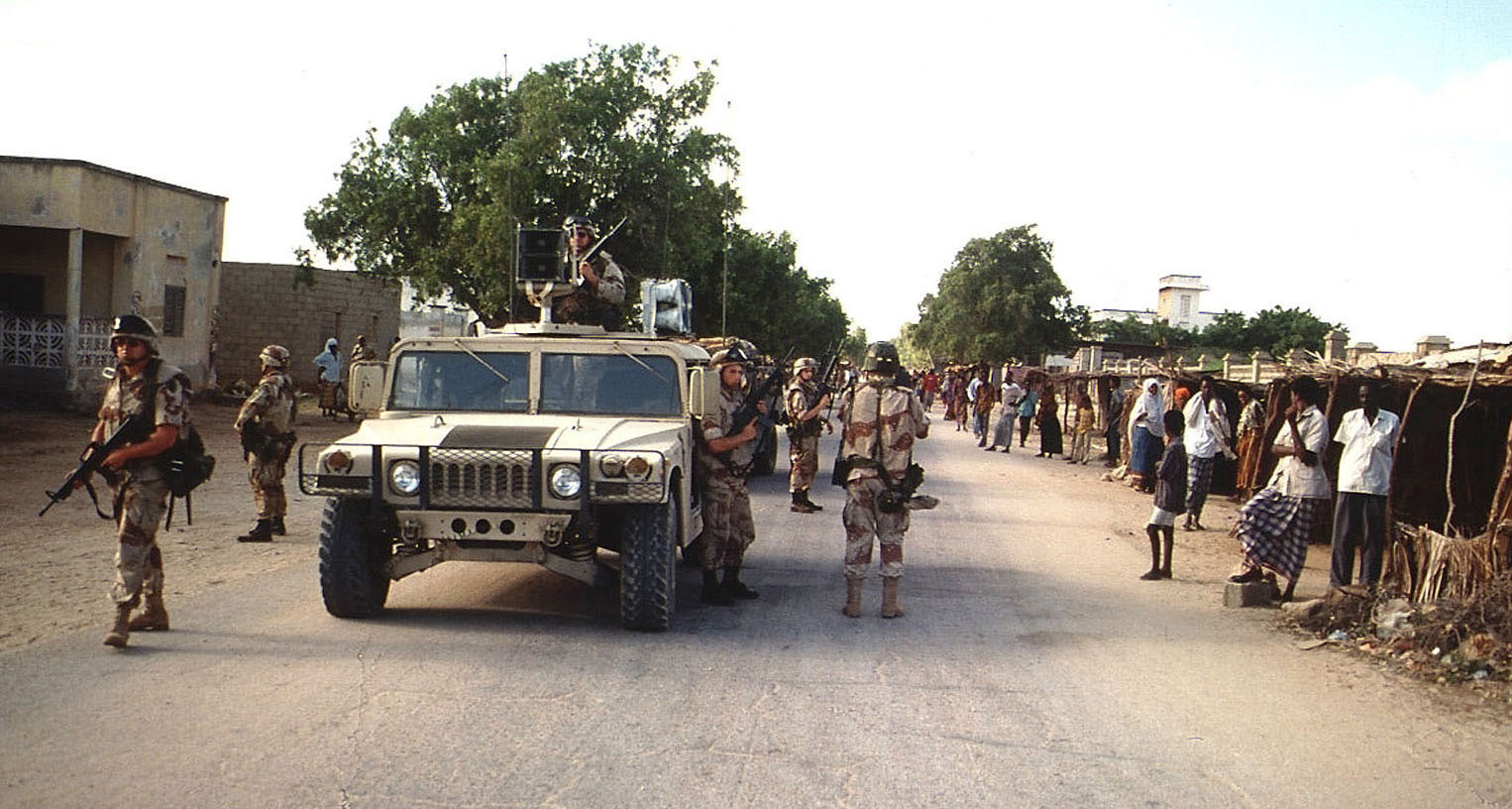
US Army soldiers coming down a street in Kismayo, Somalia.  Soldiers from the 9th PSYOPS, Fort Bragg, North Carolina, ride in M998 High-Mobility Multipurpose Wheeled Vehicle (HMMWV) broadcasting messages to the Somali locals that line the street on both sides. Elements of the 10th M ountain Division, Fort Drum, New York, walk along side the HMMWVs providing security.  This mission is in direct support of Operation Restore Hope. http://farm6.staticflickr.com/5177/5414662835_25e5ce0da7_o.jpg

US Army soldiers coming down a street in Kismayo, Somalia.
http://farm6.staticflickr.com/5177/5414662835_25e5ce0da7_o.jpg

In 2005 the concept that had been coined “Responsibility to Protect” or “R2P” was included in the outcome document from the UN World Summit and was formalized by the Security Council the following year. R2P seeks to reconcile the issues of state sovereignty and the prevention of mass atrocities, which are often seen as at odds with each other. At the core of R2P is the idea of “humanitarian intervention.” The three “pillars” of R2P are as follows:

1. The State carries the primary responsibility for protecting populations from genocide, war crimes, crimes against humanity and ethnic cleansing, and their incitement.

2. The international community has a responsibility to encourage and assist States in fulfilling this responsibility.

3. The international community has a responsibility to use appropriate diplomatic, humanitarian and other means to protect populations from these crimes. If a State is manifestly failing to protect its populations, the international community must be prepared to take collective action to protect populations, in accordance with the Charter of the United Nations.

http://farm5.staticflickr.com/4039/4360446526_88f135a88a.jpg
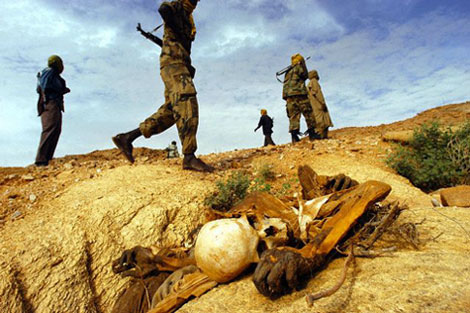
The concept of R2P is often viewed as born of the series of mass atrocities that occurred throughout the 1990s, including (but not limited to) the crises in Somalia, the Balkans and Rwanda and the way the international community responded to (or did not respond to) them. As can be seen with recent examples such as Libya and Syria, this idea and the debate surrounding it is continually relevant in the world today.
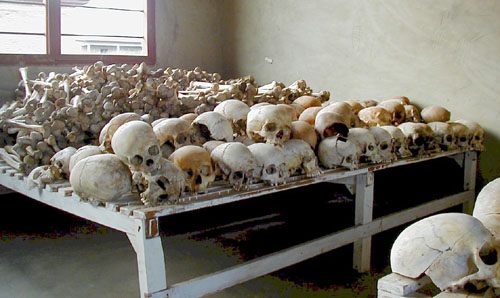
The remains of victims of the Rwandan Genocide

The remains of victims of the Rwandan Genocide
http://upload.wikimedia.org/wikipedia/commons/d/db/Rwandan_Genocide_Murambi_skulls.jpg

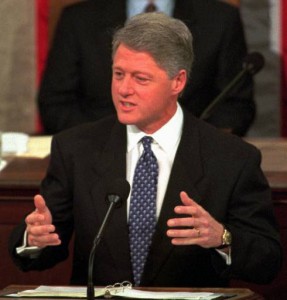
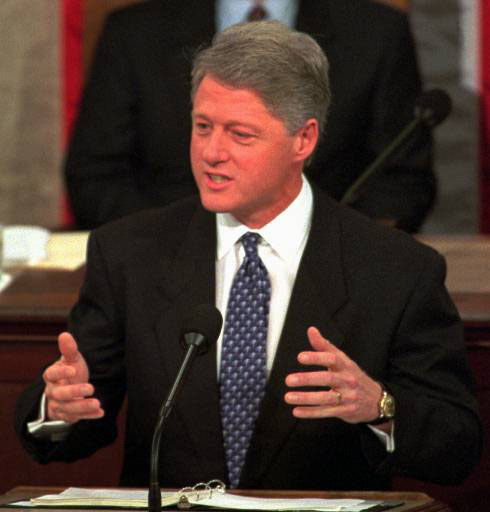
The case of the Rwandan Genocide is particularly compelling with regard to the development of these ideas due to the extreme nature of the violence and the astonishing lack of action on the part of important actors such as the United States and the United Nations. The project that I am working on in conjunction with Professor Brigham is researching the attitudes and actions of the Clinton Administration during the development of the genocide in Rwanda for a planned book on the topic.

President Clinton

President Clinton
http://www.personal.psu.edu/faculty/t/3/t3b/Tom’smediafolder/media%20SpCom%20597c%20spring%202002/Clinton%20state%20of%20the%20union%201995.jpg

The aim of the research is to get an idea of how Clinton’s policy regarding humanitarian intervention was being formed and reformed, and how that was translated into the policy concerning Rwanda. There is an impressive amount of primary source documents available online through resources such as the NSA, State Department and the Public Papers of the President. The declassification of documents related to Rwanda is ongoing so more information is continually being made available. My primary task is finding and reading these documents to see if they contain pertinent information. Here is an example of a document I might encounter (alone with some of my annotations – in purple): Rwanda – Geneva Convention Violations. In addition to being exposed to a plethora of fascinating documents and information, this project has given me greater awareness and appreciation of what goes into the process of writing such a book, which is akin to many of those that I encounter in the course of my studies.
Historic and Prehistoric Archaeology in the Mid-Hudson Valley

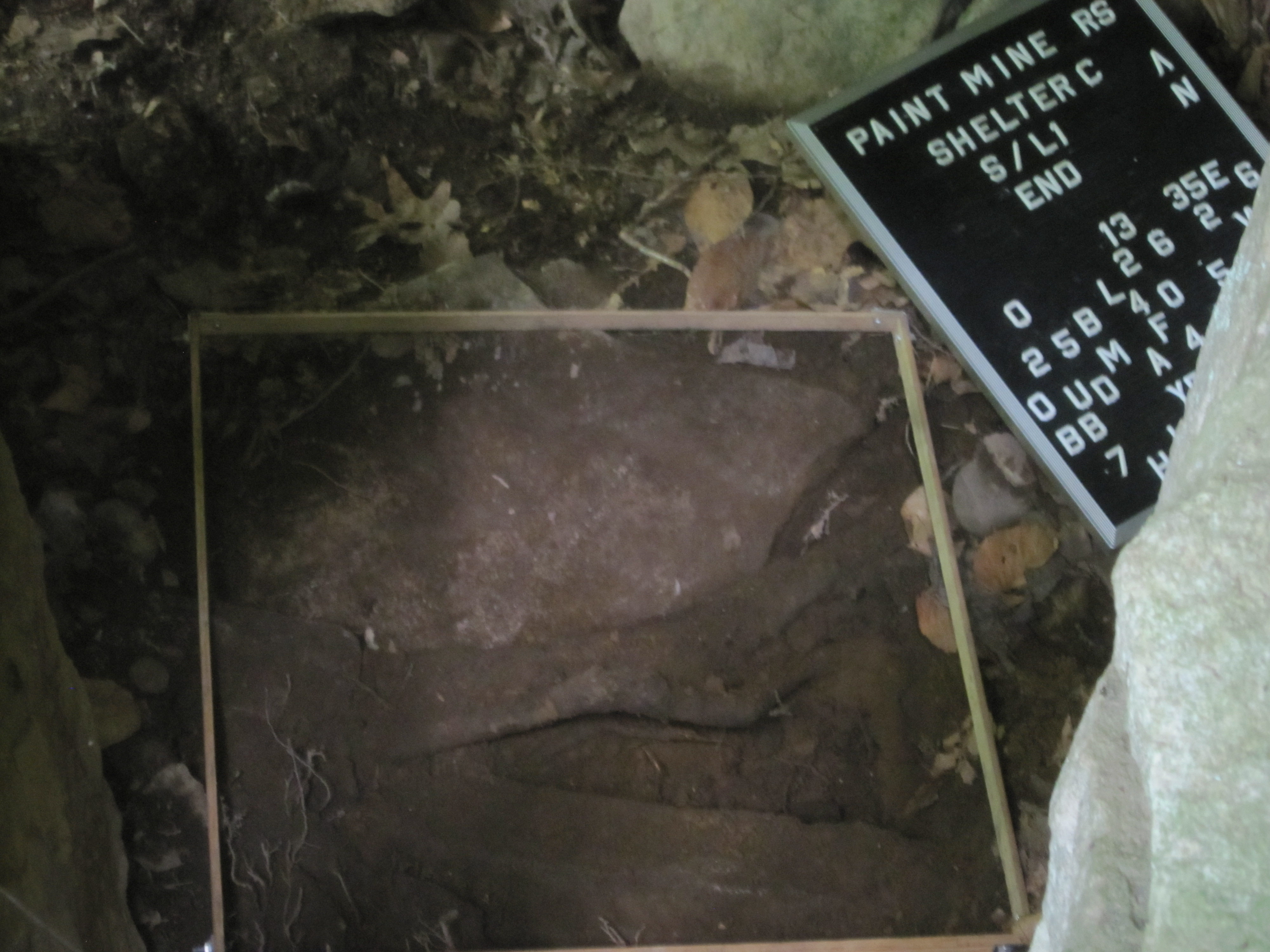
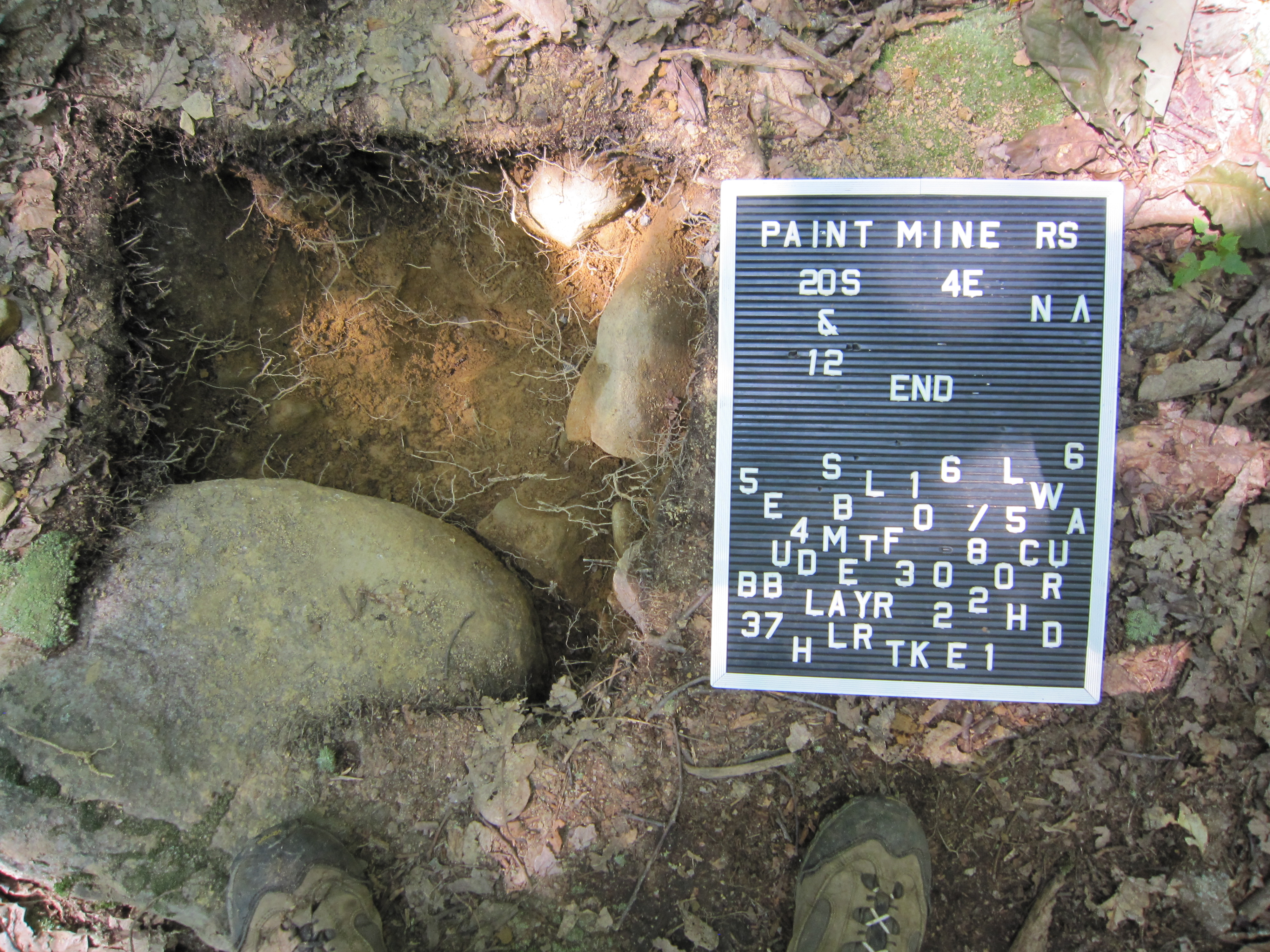
This summer, I had the pleasure of working with Professor Lucy Johnson and three URSI students studying the archaeology of the Mid-Hudson Valley. In the field, we excavated at two prehistoric rock shelters on the Shawangunk Ridge: Peterskill Rock Shelter and Paint Mine Rock Shelter. There we found a wide variety of flakes and flake fragments, in addition to one perfectly formed, complete Late Archaic spear point. Given the large number and lithic artifacts and the dearth of pottery found at our sites, we speculate that these sites were used as temporary shelters for hunting parties on the ridge.

034 048

We also spent a few days excavating at two local historic archaeological sites: a burned-down hotel in Lake George, NY, and the buried kitchen garden of Matthew Vassar’s estate, Springside. Over the course of the summer, I had the opportunity to learn and apply the basic principles of archaeological excavation, including practicing how to keep accurate and detailed records, dig test pits, and interpret stratigraphy.

Along with working in the field, I helped Professor Johnson analyze and catalogue artifacts from the site of New Hampton in the Hudson Valley, and from the Aleutian Islands in Alaska. Professor Johnson and I catalogued and bagged a large set of bone tools from the Aleutian Islands which she had collected several years ago, and when that was completed, I sorted artifacts from the New Hampton site into flakes, flake fragments, core fragments, and stone tools, and then analyzed and catalogued their characteristics.

Through performing these analyses, and continuing to excavate in sites like Peterskill and Paint Mine (which have until now remained unstudied by modern academic archaeologists), we hope to better understand the prehistory of the Hudson Valley, a region which has not been excavated and studied nearly as much as it deserves to be.

Sean Keller, ’16

Rethinking the Region: Developing the Curriculum

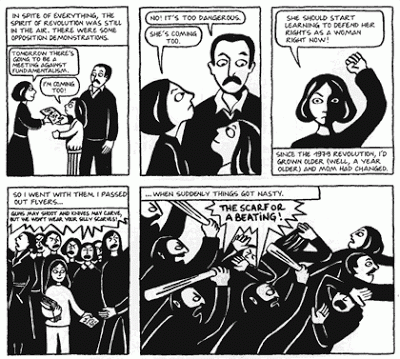
Over the past year, Professor Hantzopolous, along with four other researchers, have been analyzing the common categories used to describe and teach the “Modern Middle East’ in existing US world history textbooks. They examined how textbooks currently describe and frame the Middle East historically and identified five areas with gaps in instructional content. To promote a more sophisticated and complex understanding of the Middle East, the group is creating an alternative open-access curriculum for high school teachers that cover the following areas:  (1) Gender and Sexuality, (2) Arts and Technology, (3) Empire and Nation, (4) Social Movements, and (5) Plurality of Identities.

Professor Hantzopolus’ curriculum illuminates the ways in which peoples and societies also interacted in collaborative and fluid ways and offers students multiple perspectives, while asking them to be open and think critically.  This project is particularly important because of the current political milieu, when mainstream media that students are commonly exposed to often painfully erase or simplify complex histories and identities of this region, exacerbating difference and “otherness”.

bleedingcool

My work consisted of researching and selecting primary resources and alternative materials for Professor Hantzopolous and the other researchers to use as they developed the new curriculum and to make the sources available to teachers using the curriculum. In the second half of our project, I assisted in reviewing and finalizing the curriculum. We have integrated information from diverse sources as well as new scholarship on the region, providing a nuanced approach that is accessible to different types of learners, while also providing teachers themselves with a strong curriculum which is robust in content, flexible, and meets many of the New York State and Common Core standards. The next step will be to disseminate the curriculum and will involve more outreach in high schools.


Does Financial Liberalization Increase the Pass-Through from Exchange Rates to Inflation?

Screen shot 2013-08-01 at 4.29.05 AM

Working with Professor Islamaj in the Economics Department this summer involved researching the effects of financial integration (i.e., depth of linkage with international financial markets) on currency exchange rate depreciation.  After reviewing relevant microeconomic and macroeconomic literature, we explored the effect of exchange rate depreciations on consumption, investment, and prices in various countries.  Gathering country financial account and economic growth data from the International Monetary Fund (IMF) and other databases, we used STATA, a data analysis and statistical software program, to write “do files” (lists of STATA commands and operations) and to perform regressions measuring key variables’ contributions to pass-through from exchange rate depreciations to prices.

This project is among the first to investigate the explicit effects of financial globalization on the transmission of exchange rate shocks  (i.e., events causing at least a 15% increase in the exchange rate) to prices within the affected country. Some factors that could trigger an exchange rate shock include major environmental disasters, unsustainable increases in national debt, global confidence crises, and wars  Our goal is to describe how a country’s lending or borrowing affects the relationship between such exchange rate shocks and prices.

We are distinguishing between net lender and net borrower countries to show the difference in investment behavior between two groups of countries (net creditor and net borrower nations) as a result of exchange rate depreciation. We hypothesize that exchange rate depreciation will negatively affect investment of net borrower countries relative to net lender countries, resulting in higher prices in net lender countries. Using 2SLS Arellano (2003) regressions for dynamic panels with lagged dependent variables and exogenous variables in a large T setting, our preliminary results (see table below) support our hypothesis. Most notably, net lender countries have a significantly larger inflation coefficient than net borrower countries.


In Friendship and Financial Health

Alexandra Deane and Quincy Mills

Professor Mills and I began the process of exploring the fundraising strategies of civil rights organizations and the significance of New York City as a critical site of resource mobilization, focusing specifically on the Student Nonviolent Coordinating Committee (SNCC). SNCC, an organization born out of the lunch counter sit-in movements in early 1960, evolved into a group of students and organizers who sought to build power among black communities in the rural South. In addition to examining SNCC’s strategies of obtaining financial support, I also expanded my research to include archival collections at NYU’s Tamiment Library.

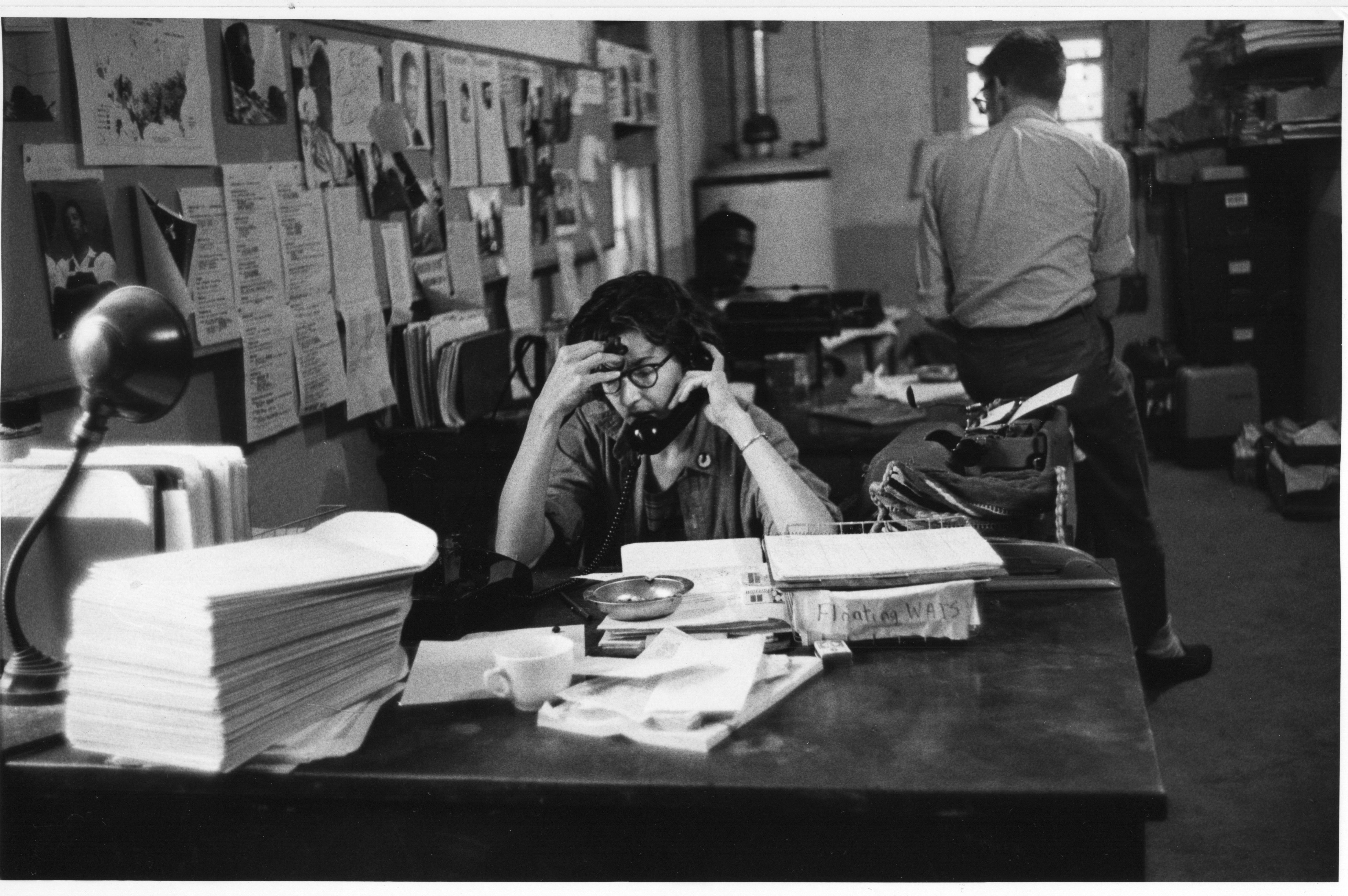
In order to better understand the sources of financial support on which SNCC relied to make their work possible, I combed through the group’s archival papers, which included letters written to and from SNCC staff, reports written by professional fundraisers hired by SNCC, financial reports that detailed the sources of major contributions, and office reports that illuminated the group’s strategic fundraising decisions. I focused primarily on the New York Friends of SNCC office, which was established for the sole purpose of fundraising and amassed the lion’s share of financial support for the organization. Here, multiple narratives emerged about the nature and significance of SNCC’s fundraising strategies.

Betty Garman in the SNCC Mississippi office in 1964.

Betty Garman in the SNCC Mississippi office in 1964.

SNCC relied on the contributions of sympathetic individuals and organizations. Staff established “Friends of SNCC” groups in the North for the sole purpose of fund-raising and developing programming that would simultaneously spread awareness about SNCC’s work and cultivate financial support to send to Southern offices. By keeping their fundraising base geographically separate from their organizing projects, SNCC staff were able to draw upon a larger base of Northern, white, liberal supporters who did not see SNCC’s often radical organizing work in the South as a challenge to their own power.  Thus, facilitated by SNCC’s efforts, the “friendship” between financial supporters in the North and organizers and activists in the South flourished.

Throughout these documents, a tension emerges between SNCC’s radicalism and the constraints of their financial support. This tension is perhaps most clear when SNCC chairman Stokely Carmichael publicly embraced the Black Power rhetoric and stance that swept Southern black communities in 1966 and 1967. Responding to the rejection of whiteness (and especially white liberalism) that Black Power politics implied, many Northern supporters quickly voiced their condemnation of Carmichael and SNCC’s direction.

Professor Mills will continue to explore this theme of the tenuous relationship between sources of vital financial resources and the goals and ideals of SNCC, using the results of this project to continue research for his next book, which will look at the sources of financial support for the black freedom movement more broadly.


Urban Inequality

Urban Inequalityurban poor

Tim Koechlin (International Studies and Urban Studies

Stephanie Osei-Sarpong (Vassar ’15, Education Major)

Our research this summer has focused on “urban inequality” – its meaning, its causes, and its implications.   This research will provide the foundation for an Urban Studies seminar that Professor Koechlin will teach in the Spring of 2014, “Advanced Debates in Urban Studies: Urban Inequality” (URBS 303).   It will also inform a paper that Professor Koechlin will present at the meetings of the American Social Sciences Association (ASSA) in Philadelphia in January, 2014.

The United States is the most unequal of the world’s rich countries and, over the past few decades, the US has become dramatically more unequal.  The US is also near the bottom of the list when it comes to economic and social mobility, despite its reputation as the “land of opportunity.”  This increasing economic inequality is reflected in and reinforced by unsettling levels of political, racial, gender, spatial, legal, educational, and environmental inequality – and more. Inequality begets inequality.   On a global scale, this story of interdependent inequalities is even more extreme and appalling.

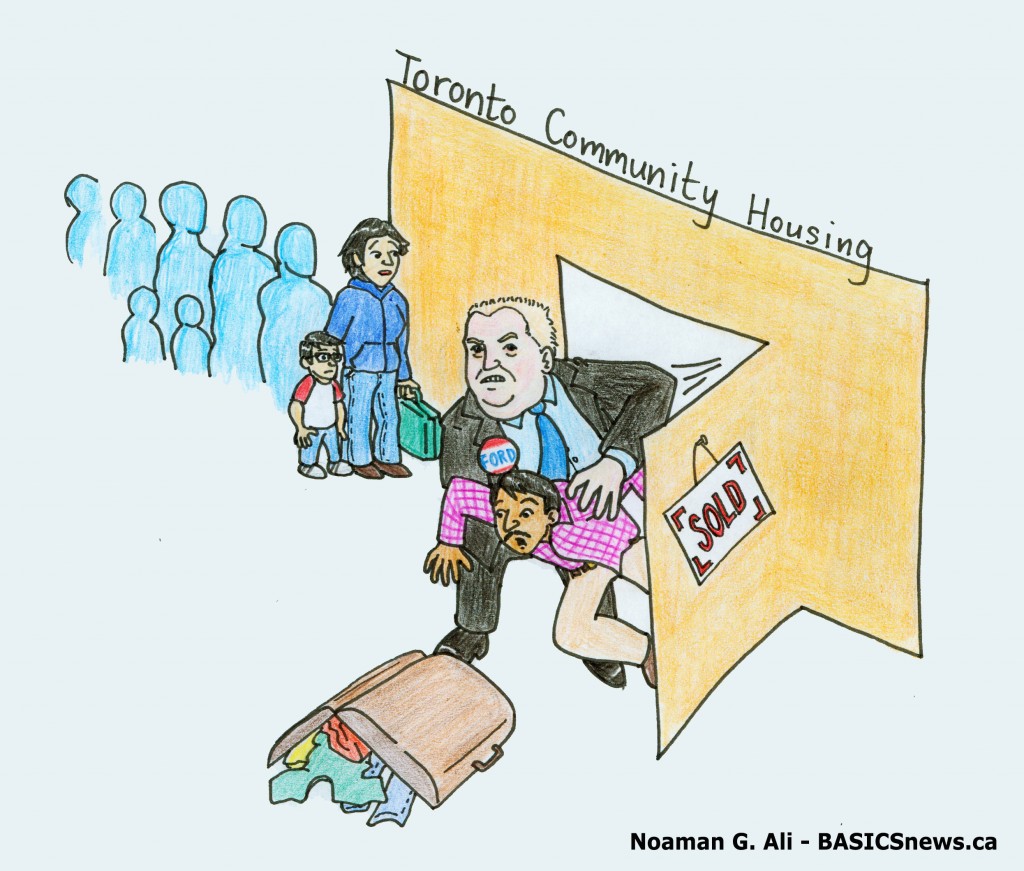
As centers of political power and capital accumulation, cities have long been sites of socio-economic, spatial, racial and other forms of inequality.   The reproduction of inequality – in the US and elsewhere – happens, to a considerable extent, in cities and by urban processes.  URBS 303 is designed to allow (and force) students to explore the complicated, layered inequality that characterizes cities.   How is economic inequality linked – as cause and effect – to political, educational and spatial inequality?   How are these inequalities reflected in and reinforced by the built environment?  How is inequality within cities linked to globalization, and to neo-liberal policies in the US?   How can we intervene, to make our cities more equal and more “just”?  How can urban residents articulate and assert their “right to the city”?   And how do the answers to these questions vary from city to city?

ford-tchc-v2-1024x871


Over several weeks, we gathered books, articles, data and images.   We studied them, we sorted them, and we discussed them.    We had long talks about pedagogy, and about the various means by which a teacher, student or scholar might “tell a story” about urban inequality.    And, finally, we drafted a very rich syllabus for URBS 303, and a promising outline for Professor Koechlin’s paper, “Urban Inequality, Neo-liberalism, and the Case for a Multidisciplinary Economics”…and we learned a lot along the way.


China’s High-Tech Industry: Book Editing and Curriculum Development

My summer work has been split evenly between developing a curriculum for a class on China’s environment and editing chapters intended for a book on innovation in China’s high-tech industry.

The latter project consisted mainly of line editing and referential crosschecking. I worked on the book’s introduction, as well as on chapters pertaining to the relationships between innovation and policymaking in China’s indigenous automobile sector, burgeoning green building program, cellular phone industry, and HSR network development. Exposure to such a wide array of state approaches to stimulating innovative practices – and even wider array of outcomes – helped me grasp the importance of regional and historical contexts in economic geography. I will also say that line editing gives one entirely new insights into language. While not technically part of this project, I also worked on a shorter article pertaining to the impact of Snowden’s revelations on the Chinese high-tech sector, an article that was eventually published by The National Interest.

The curriculum development portion of the project consisted of gathering and annotating sources, stitching together a source list and daily reading schedule, and finding and extracting relevant video clips. The class, titled Environmental China: nature, culture and development, will be taught at the 200 level in fall. The course won’t simply survey contemporary issues plaguing China’s environment (although establishing the interdependence and scale of these issues is important). Rather, it will trace China’s environment – as a physical and imagined/philosophical/politically valuable entity – throughout Chinese history, and across numerous regions. Continuity and breaks in historical environmental governance (especially water management) also highlight how environmental issues and solutions have always been a key arbiter of Chinese political structures and success, and promise to be influential again in the near future. The course primarily intends to establish the Chinese environment as a unique entity in need of unique approaches.


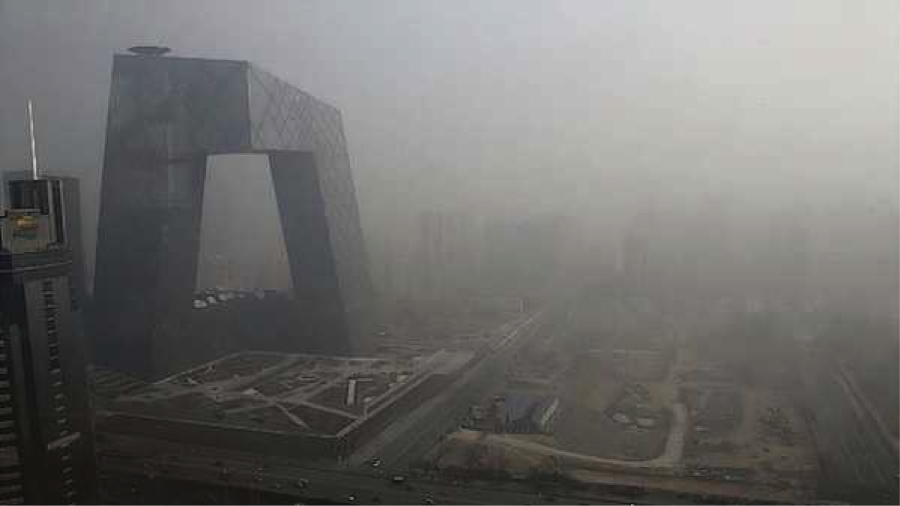
The CCTV Building during the ‘Airpocalypse.’ January, 2013.

The CCTV Building during the ‘Airpocalypse.’ January, 2013

A pertinent example of environmental governance’s long history in China: the Dujiangyan Dam and Irrigation System was built in 256BC and is still operational today.

A pertinent example of environmental governance’s long history in China: the Dujiangyan Dam and Irrigation System was built in 256BC and is still operational today.

Online Economics Experiment on Conscientiousness

Professor: Benjamin Ho
Student: Charlotte Yang

Conscientious Consumerism

Conscientious Consumerism

This project is a follow-up of the Conscientiousness research begun with a previous Ford Scholar project. That project successfully led to the development of a mathematical theory of the psychological concept of conscientiousness using game theory and behavioral economics. Conscientiousness is part of the Big 5 personality traits (along with Openness, Extraversion, Agreeableness, Neuroticism) psychologists use to measure personality. Various large scale census studies have found that personality factors such as conscientiousness and grit may be a more important predictor of success in life than factors such as parental education or innate intelligence (Segal; Duckworth; Heckman). However, the traditional measures of conscientiousness have relied on self-reported survey instruments, whereas economics prefer measures based on actual incentivized choices.

Thus, just as the Berg-Dickhaut-McCabe experimental trust game revolutionized how economists study trust, we hope to change how economists think about Conscientiousness. Building on the work of last year’s Ford Scholar who came up with a mathematical theory of conscientiousness, we intend to test this model using online experiments. In the experiment, we ask every participant to do two rounds of the same task – each consisting of 10 steps – based on different payments: either a single payment of 2 dollars regardless of performance and a piece-rate payment of 20 cents for each one of the ten successfully completed steps of the task (commission based). We will then compare their performance and see if it relates to the payment structure, and in turn, conscientiousness. We also ask our participants to answer surveys regarding their risk and time preferences, personality, intelligence, and social behavior in order to correlate to the subject of our study.

We are using several online tools to conduct our experiment: Amazon Mechanical Turk, a service where we are able to recruit workers to participate in our study and issue payments; SoPHIE, a recently developed online survey tool; several other online experimenting/survey tools are also being tested out and summarized. So far we have developed an online experiment and just recently launched our pilot study consisting of 100 subjects. For the rest of the summer, we are planning to revise our study design, run the full-scale study, collect data, and hopefully analyze data as well.

Classroom Without Walls: Activism in the Class and Beyond

Pinar Batur, Prof. of Sociology and Director, Environmental Studies

Joanna Barnett ’14, Environmental Studies

Considering the profound challenges facing our globe, studying the environment today is not only crucial but also extremely daunting. While it is more critical than ever that we understand environmental risks, studying issues that are seemingly out of our control is not sufficient for effectively confronting the global crises we face. This is why our goal for the Ford Environmental Studies Project was to integrate elements of agency and activism into the Environmental Studies curriculum, and to ensure that the issues we study are addressed with an eye to how we can best translate our knowledge into action.

Our project focused on the syllabi for both the Environmental Studies introductory class and the Senior Seminar. Looking at these classes as the “bookends” of the ENST curriculum, our goal was to incorporate the study of environmental activism as a core component at both levels. For the first class, Environmentalisms in Perspective, we chose readings that will provide a background of environmentalism, while enabling students to examine activism through historical and current movements. The Senior Seminar will be focused specifically on the food system–a topic that will build upon the varied interests, studies, and experiences of ENST majors. We will conclude the class with a project utilizing Vassar as a model for mobilizing a food movement, in which ENST majors will apply their understanding of activism to analyze the food supply at our school, and determine the best pathways for future action.

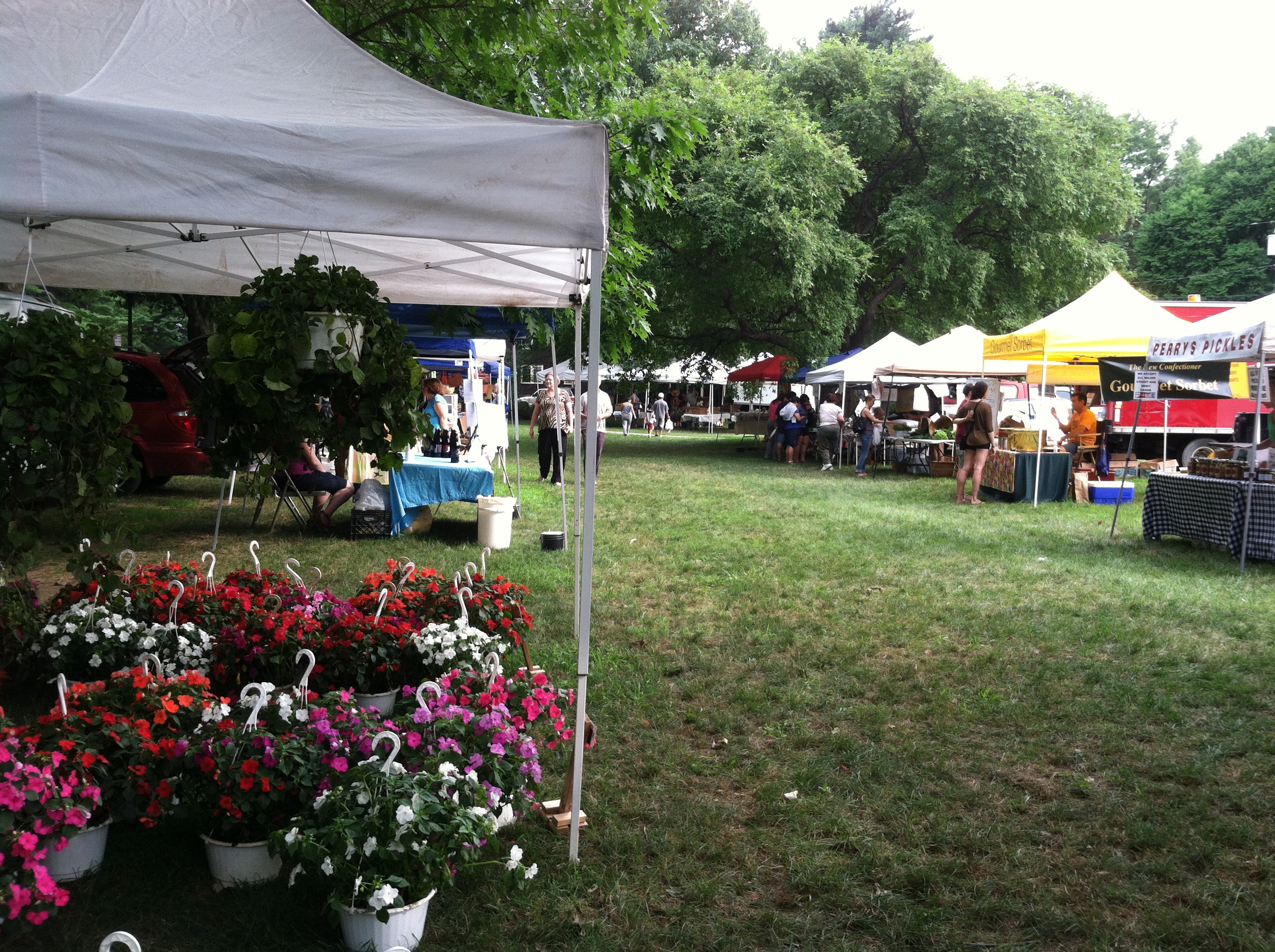
Arlington Farmer’s Market

For the student aspect of our project, I chose to focus on the role that large, though ostensibly ethical, food providers have on local farmers, businesses, and food movements. I’m interested in the efforts and challenges of “scaling up” the values traditionally promoted by smaller businesses, and am looking forward to continuing this research into the coming year. We also plan to expand on our project next semester by building an inventory of alumni who are involved in activism, enabling students to explore how their peers are taking action after Vassar. Adding a focus on activism into the ENST curriculum will not only offer students a better understanding of their role within all they are studying, but also will contribute to Vassar’s greater efforts toward promoting a sustainable and just community.

Seasons of Freedom: A Role-Playing Computer Game Based on the Civil Rights Movement

My Ford project was working with Professor Tom Ellman of the Computer Science and Media Studies Departments on Seasons of Freedom, an educational role-playing game about the African-American Civil Rights Movement.

Screen Shot 2013-07-18 at 1.23.16 AM

In this game, the player assumes the role of two characters from different time periods: a teenager living in a modern-day city loosely based on Poughkeepsie, and a civil rights activist working in a town located in the Deep South during the early 1960’s. In presenting these two parallel worlds, our goal is simply to raise questions: How has racism changed since the Civil Rights Movement? Are there residual issues of race and equality that still need to be dealt with? Have subtler, more complex forms of racism emerged?

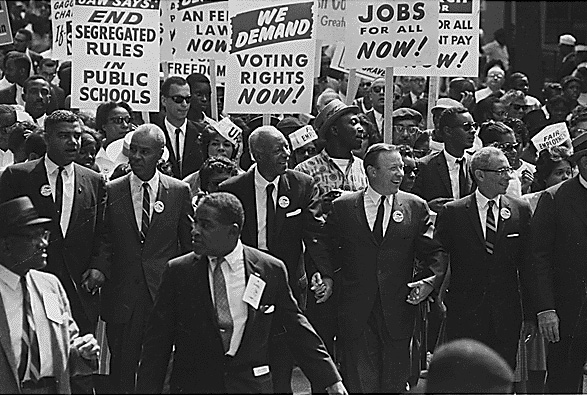
1963_march_on_washington

At first glance, it might seem insensitive to represent a struggle as visceral as the Civil Rights Movement with a game. The word “game” provokes an image that is whimsical at best, insensitive and violent at worst. But we believe that an interactive medium confers several advantages to our project. In games, players take on active roles in stories. They can take actions and observe the consequences of those actions on the world in which they are situated. 

Sncc_pin

This property of games lends itself well to telling the story of a civil rights worker. When any civil rights worker tried to organize a movement in the early 1960’s, they were faced with particular dilemmas. Which demographic groups in my town do I attempt to recruit for help? How do I identify the local leaders of my community and persuade them to support the movement? How do I respond to violent responses towards black mobilization? Should I urge someone to join my movement if they could suffer dire economic or physical consequences? In presenting players with multiple paths for action, we hope that players will grapple with these issues more critically than if they were passively observing history.

 – Luke Gehorsam, Class of 2014