The Economics of Trust from Pre-History to Blockchain and Climate Change

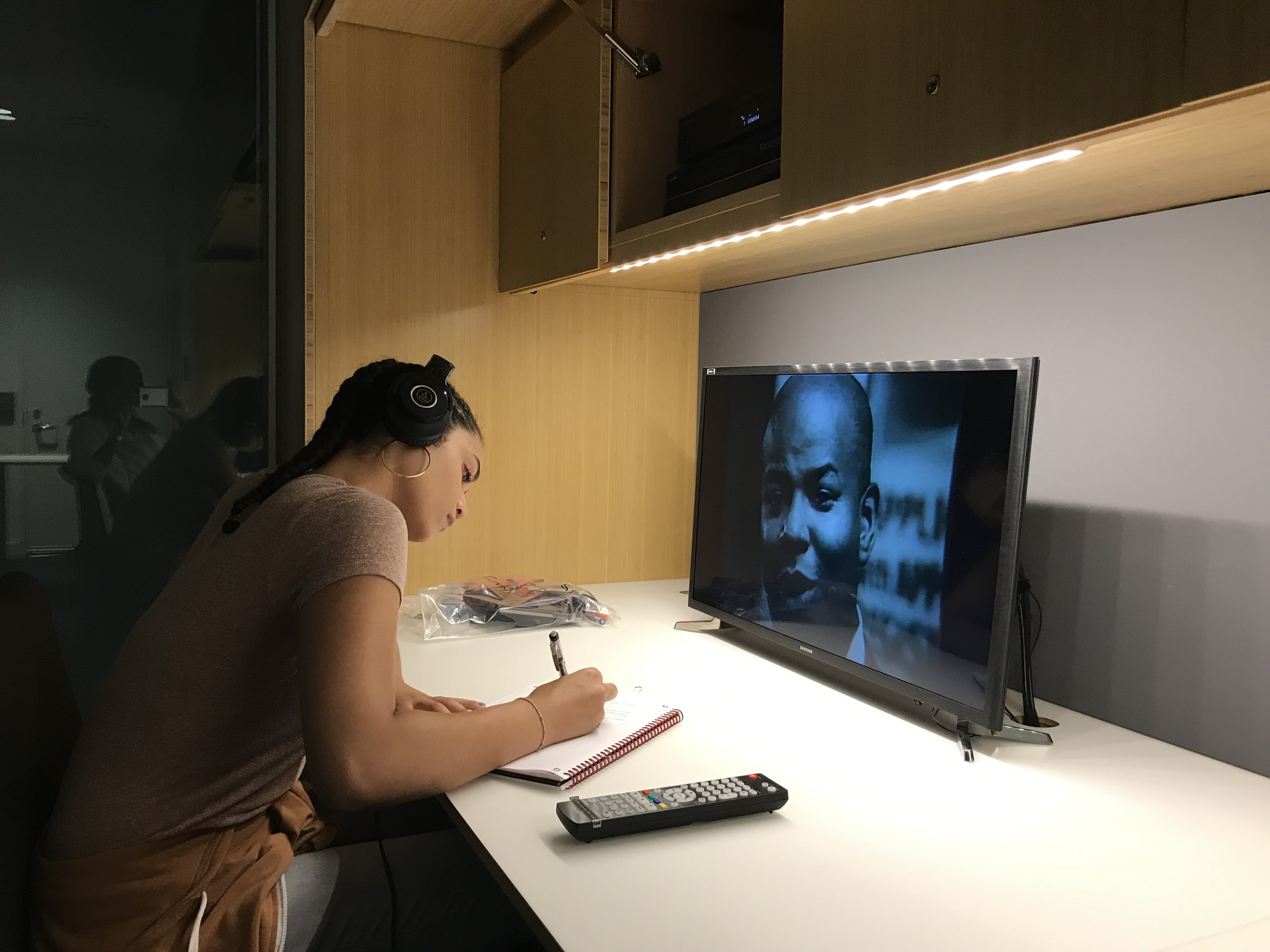
This summer, I worked with Professor Ben Ho in the economics department to revise his book, Trustonomics, which explains how trust has developed and contributed to economic growth over time. The book is an important contribution to the field because it calls on economists to consider the importance of centering relationships between individuals in economic analysis as opposed to focusing on the traditional rational actor.

We constructed a narrative grounded in the concept of Dunbar’s number, a metric discovered by anthropologist Robin Dunbar that measures the average size of a human network, which he estimates to be about 150 people. We then explain how a person’s “trust number,” or the size of their personal network, has grown over time as a result of the development of bodies like religion, governments, and financial institutions which help us determine who we can and can not trust and allow increasingly large numbers of people to work together. Toward the end of the book, we grapple with recent data that indicates an erosion of institutional trust over the past several decades. With the advent of the internet, we  gained access to a significant volume of information. Social media has encouraged the proliferation of fake news and false information and has changed the way we interact with each other, affecting who we form relationships with and who we decide to trust. Ultimately, we believe that current declining levels of trust are symptomatic of an adjustment to new technologies and methods of communication and that institutional structures that developed and evolved over thousands of years will support and help maintain important relationships as we adjust to new ways of communicating and interacting with each other.

Developing a Reading-Based Introductory Latin Curriculum

This summer, I worked with Professor Dozier on recreating a new introductory Latin curriculum. Traditionally students learn Latin by rote memorization of noun charts and verb forms. The high focus on memorization makes Latin inaccessible to many different students, which is why this class is designed to focus on translation rather than memorization; this shift allows students to jumpstart on the actual purpose of learning Latin, which is translating Latin texts. 

We used Ritchie’s Fabulae Faciles with a commentary by Geoffrey Steadman as the main text for this class. This Latin textbook contains increasingly difficult stories about different mythological heroes. Since the book was designed for intermediate Latin students, we systematically reworked the first twelves stories about Perseus for introductory Latin students to begin translating on their first day of class. After the initial reworked version, we produced a version of medium difficulty, which would require more grammatical knowledge of students. Finally, the last version of the text would be the original version of the Fabulae. This focus on translation allows students to gain the skills necessary to translate Latin text rather than harnessing the skills to reproduce grammatical structures. 

Perseus saves Andromeda from a sea serpent.

We decided to enhance the class further by researching the Latin language itself. We read books concerning the history of the language such as Ad Infinitum: A Biography of Latin by Nicholas Ostler. Vox Latina gave us insight into how modern people know the pronunciation of the language. We also explored James Lang’s Small Teaching: Everyday Lessons from the Science of Learning in order to integrate innovative pedagogical methods into the class.

By stepping away from the traditional methods of teaching an introductory Latin class, the goal of this new curriculum is to not only enhance students’ knowledge of Latin in a more accessible and translation-based manner, but for them to also have a broader knowledge of the history of the language itself. 

Building a Labyrinth Curriculum

Grace Whited ‘21 and Carolyn Palmer (Psychological Science)

Labyrinth at Stony Point Center, NY

This summer I worked with Professor Carolyn Palmer to develop a curriculum of labyrinth activities intended for people across the life span. The labyrinth is an ancient symbol that is famous for its appearance in the Greek myth of Theseus and the Minotaur and on the floor of the Chartres Cathedral in France. Distinct from a maze due to its unicursal path, meaning there is only one path leading in and out of the center, the labyrinth is often used as a tool in contemplative practices. Mindfulness is becoming an increasingly common practice in education since it encourages self-reflection and personal growth, and the labyrinth serves as a walking meditation open to all identities. Therefore, the goal of our project was to incorporate the labyrinth into a curriculum in a fun and creative way.


Working with a young child at Wimpfheimer

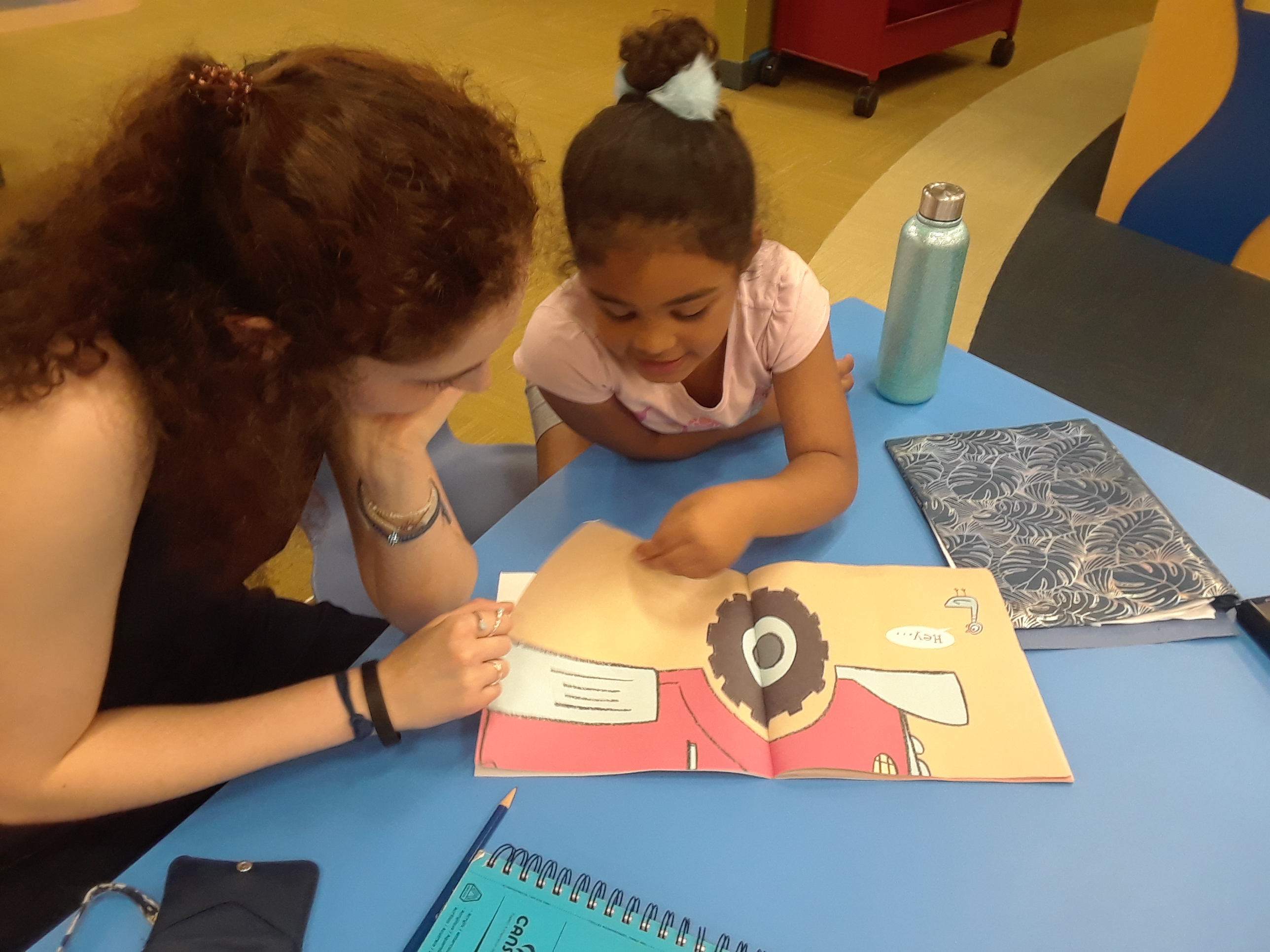
Our time was spent researching the history of the labyrinth and contemplative practices, visiting various labyrinths, interviewing community members about their labyrinth experiences, designing a set of activities for people of all ages, and implementing these activities within the community. At Wimpfheimer Nursery School, I led three separate sessions with children ranging from 2-6 years. These lessons taught children how to be mindful of themselves and their surroundings. The children were fully engaged in the activities and found them very enjoyable, suggesting there are several possibilities for incorporating labyrinths into early education. I also designed an activity that combined the Hero’s Journey with the labyrinth and led it with a group of Vassar students. This exercise encouraged individual agency and creativity while allowing students to reflect on their journeys through life.


Directing children along a path they made out of tape

My experience this summer taught me that the labyrinth encourages both personal and community growth. Through its ability to facilitate self-awareness and personal reflection, the labyrinth helps people find their center and connects them to others. The labyrinth is also adaptable to the needs of any community, serving as an important tool for diverse groups. In preparation for a permanent labyrinth on Vassar’s campus, we developed a set of activities that can be used by students, faculty, and Poughkeepsie community members. These activities foster introspection and interpersonal connection, providing an opportunity for our community to grow together.

Julien Peck ’22: Spanish Pronunciation Practicum

For the month of June I joined Professor Augusto Hacthoun to craft letter drills in the library, record our voices in Chicago Hall and at the end of the day edit our work throughout campus. Our goal was to create a supplementary resource for intermediate level Spanish learners to practice their pronunciation. However, we spent considerable time outside of that work and outside of the campus when we would talk about my future, my interests and my plans—while speaking in Spanish. I found that our work and our informal conversations melded as we discovered important letter combinations while talking or struck upon an idea from our conversations while working. Often, we would find that from my time in Spain during high school I had picked up vocal habits which could be deconstructed to reveal important lesson points for the practicum.

This project is at its core a collaboration between Professor Hacthoun and me. While Hacthoun would present letters to be focused on, I would tackle the editing and the compiling of all our exercises. Furthermore, Hacthoun and I discussed at length the best ways to implement this practicum into his two classes next fall. Together, we presented our project to Conversations Unbound, a Vassar graduate’s non-profit that works with intermediate level Spanish classes, which will utilize our Ford Project within their program next year.

I feel most accomplished in that I know I contributed a student’s perspective to this student resource—shaping this project as best I could for those who will use it. As for the future, I am most excited about introducing this practicum to students in the fall.

Furthermore, I created a film which portrays the daily routine of Professor Hacthoun and I—as well as the motivation behind the Ford Scholars Program. 

View video

Muslims of the Present: Islamic Ethics, Social Critique, and the Inheritances of Immigration in France

Over the summer, Professor Kirsten Wesselhoeft (Religion Department) and I worked on a project called “Muslims of the Present: Islamic Ethics, Social Critique, and the Inheritances of Immigration in France.”  We spent the summer reading the writings of French Muslim social activists, student led movements, and feminist organizations, and reading about the public reception of their work. We looked at the results that Professor Wesselhoeft collected throughout her eight years of ethnographic research in France and spent a lot of time thinking about the ways in which the identities of groups and individuals impact their relationship with the state.

A large part of the summer included collecting and analyzing primary data from activist groups, from politicians, from philosophers, and from artists in order to gain a deeper understanding of the current dynamics of the Muslim community in France. We analyzed the relationship between French religious groups, politicians, and state policies. Is French secularism simply a thinly veiled disguise for anti-Muslim racism and religious and/or racial discrimination? How does the racialization of Islam impact the work of Muslim communities and civil rights organizations? How does the gendered politics of Islamophobia in France influence the work of Muslim feminist groups?

As Professor Wesselhoeft continues to develop the project, complete various articles, and ultimately finish her book, we plan on taking our research to Denver, Colorado for the American Academy of Religion annual conference in November 2018.  We will present our findings, our progress, and our plans for upcoming research in hopes of receiving feedback from other professionals in the field. Our paper is entitled “‘Muslimness is a Relationship of Power’: The Racialization of Islam in European Anti-Islamophobia Activism.” We are very excited to share our work from the summer, and to continue to develop our understandings of Islam in France and its social, political, and economic manifestations.


What Does a Vassar Mathematician Look Like?

This summer, I worked with Professor Ben Morin on a project titled “What Does a Vassar Mathematician Look Like?” The goal of this project was examine the history of Vassar’s Mathematics Department and find notable people who have passed through it. Specifically, we wanted to find alumnae/i who belonged to minority groups in order to show that Vassar mathematicians are a diverse group. The work done this summer was the beginning of a much longer project.


In my research, I found many people who stood out. The diversity of the early years of Vassar unfortunately only concerns sex; we did not see the first math majors of color until well into the twentieth century. Many women who passed through the department as students before World War II went on to do things that we atypical for the time: seven went on to receive PhDs in mathematics, and we know of at least one woman from the class of 1911 who became a doctor. Additionally, the faculty of Vassar’s math department had an atypical makeup for most of its history. For a large portion of the twentieth century, the faculty was comprised entirely of women. Our first faculty member of color was Gloria Castellanos, a Cuban refugee; she was also the first applied mathematician in the department. Clearly, the early women of Vassar were not afraid to push the envelope.


Our findings this summer focused on the first half of the twentieth century. In addition to researching specific students and faculty members, we found out more about the culture of Vassar’s Mathematics Department and Vassar College itself. Future work will continue to examine notable alumnae/i and faculty members, and we hope to showcase the diversity in the Mathematics Department.

Non Economic Logic of Rebel Taxation | Eileen Doyle-Samay ’19 and Professor Zachariah Mampilly

I worked with Professor Mampilly in the Political Science Department to understand the noneconomic logics of rebel taxation, in preparation for abook Professor Mampilly is writing.

The traditional view of rebel taxation is as a revenue generation scheme. These Olsonian logics, which focus on self interested group behavior, do not capture all benefits of taxation. It is also not entirely clear that taxation practices generate a useful amount of money.

I spent a fair portion of the project delving into concepts of moral economy. Moral economic analysis places an emphasis on relationships, morality, and social norms rather than utility maximization. This lens was very useful for how Professor Mampilly and I began to think about why rebels use taxation.

Logics of social norms suggest that taxation can be used as a mechanism for legitimizing a group as a government. It also provides a more nuanced understanding of what people expect from a ruling body.

Start of the constitution for The People’s Republic of Eelam, which discusses taxation policy

This research led to interesting ways in which economists are applying the ideas of moral economy, shedding light on how it is possible to properly quantify and analyze data Professor Mampilly has on rebel taxation practices. Examples of such work have found ways to quantify how much a person values public perception of their actions, as well as track how charitable contribution decisions are made in rural versus urban environments. It was very interesting to do research outside of my primary area of study, where I got to apply my skill set in a different way.

I also investigated an archive of documents surrounding the Tamil Tigers. Gathering primary sources on a rebel conflict to understand taxation and monetary practices was a valuable and informative experience.

Plea for assistance from the Sri Lankan government’s blockade for people in Tamil controlled territory

Black Americans and Black Judges: Assessing Racial Representation in State Courts

This summer, two undergraduate students worked together with one of the students hailing from the University of Puerto Rico, Rio Piedras campus. This was the first time a student from that university was brought to Vassar College to participate in the Ford Scholars program.

We completed a wide variety of activities throughout the summer with the ultimate goal of understanding black Americans feelings towards and perceptions of black judges in state courts. In the initial weeks, we read extensively on judicial representation, gathered bibliography, and assisted in creating surveys and interviews. Next, we interviewed and surveyed black Americans at the Poughkeepsie Galleria Mall, in downtown Poughkeepsie in front the courthouse, and at Union Square Park in Manhattan.

Towards the end of the summer, we gathered the qualitative and quantitative data we had collected. We transcribed the interviews, collected data from the surveys, and collected data from the content analysis performed on over seventy cases of black judges’ television show episodes to analyze how black judges portray themselves on these programs. We exported and analyzed the qualitative data into a software called NVivo.

The research done this summer will be used by Assistant Professor of Political Science, Taneisha Means, in a chapter of her manuscript, Representing the Race: Black Judges and Justice in State Courts.

Exploring Spatial Differences in Income Inequality

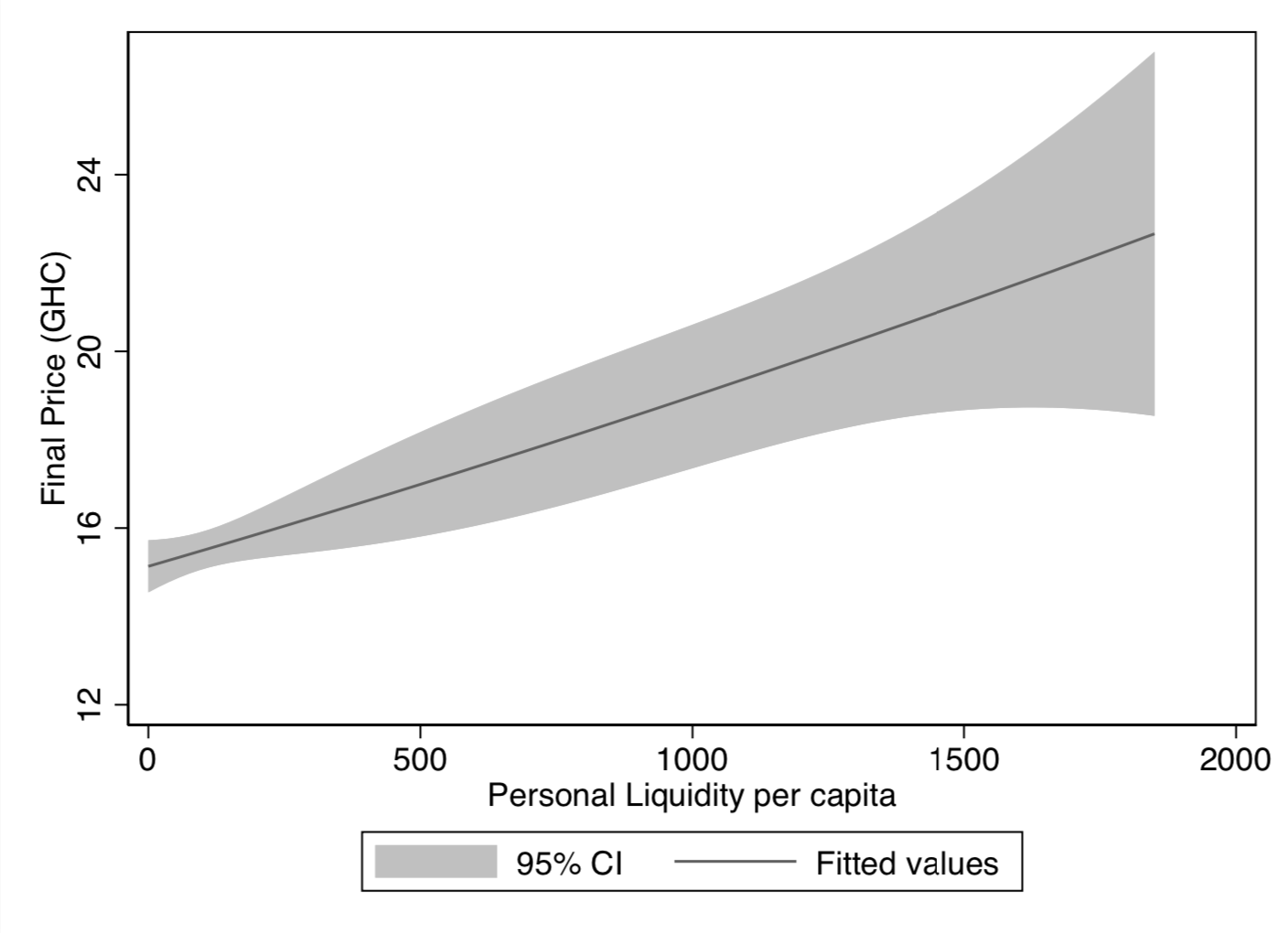
This summer, I worked with Professor Dustin Frye on the topic of spatial income inequality in the United States from the 1950’s onwards. Our main goal was to develop a comprehensive data set regarding the topic.

To achieve this goal, we used the County Business Patterns (CBP). CBP is run by the US Census, and is an annual series that provides subnational economic data by industry. This series includes the number of establishments, employment during the week of March 12, first quarter payroll, and annual payroll. We have access to CBP data all the way back to 1953. Within this data, we were interested in the county level data: county by county, industry by industry, how many people worked in that industry, what they were paid, and what the firm size breakdown was for that industry. The CBP data is in a digital form from 1970 onwards, but before then all we have are PDFs of the original books themselves, which isn’t very useful for economic analysis.

To make the pre-1970 data into a useable form, we used an OCR scanner to run an initial sweep of each year’s book. Each year has several thousand pages worth of data, so this step was crucial, as hand entering was not an option. After the data was read by the OCR scanner, we used excel and STATA to format it and write code that would find errors within the data from the scan. We also found more errors by scanning two different versions of each year. From there, we hand collected what was missed from the scan, and combined all of our data into one set, allowing us to examine income patterns from 1953 to the present day. Using this data, we looked then specifically at Dutchess County and explored local changes in industries and income. Since the 1950’s, Dutchess County has undergone an enormous shift, moving away from being a town with the majority of jobs in the manufacturing industry, and towards a more service-based

Prof. Frye and I visiting an abandoned factory in Beacon, NY

job market. We were able to visit old manufacturing sites as well to help investigate this change further.

Defining Childhood, Defining Empire through the Nineteenth-Century Global Transmission of Smallpox Vaccination

From 1798 through the nineteenth century, imperial leaders and the English elite used vaccination as a tool of colonization. Vaccination, unlike public records such as birth and death certificates, gave British military officials the opportunity to track the population in the colonies. As historian Alison Bashford stated in Imperial Hygiene: Critical History of Colonialism, Nationalism and Public Health, “vaccination came to be important as a means for the collection of information through systems of registration and certification of individual infants and children.”[1] What is left untold, however, is how vaccine matter was transported from providence to providence, even from England to the colonies. This summer, I researched how the British used children, mainly native children, to transport and introduce vaccines to India for the health of British children, but also, how it became a colonial, humanitarian campaign to colonize the providence.

This is me looking for Microfiche in the Vassar Library.

By looking at various primary sources such as childrearing guides, medical journals and publications, and newspaper articles from the Times of India, I found that there was a significant disparity between children of different races and classes and how they were discussed in the sources. For example, the literature only discussed vaccination through a white-English perspective. For the English elite, vaccination was essential to the survival of European children in India. It protected them from the alleged filth that surrounded them. As one guidebook put it, European mothers could not be too careful as Indian nurses, or Ayahs, would be accused of exposing children to the plague-stricken streets of India.[2]

Nevertheless, despite the racism that encouraged mothers to limit their children’s interaction with India or its inhabitants, the truth was that children were exposed to the vaccine lymph thanks to native children. At the time, the easiest and most successful form of vaccination was arm-to-arm vaccination. This means that the vaccine lymph, cow-pox, was first injected into the arm of a child, very likely one of native dissent, and puss would be extracted from that child’s pustule and then transmitted to other children. Vaccinifers, or children used for this purpose, would then travel with vaccinators to different provinces to spread the smallpox vaccine throughout India. These children, unlike the elite children were rarely mentioned in the sources, so much of my time consisted of looking for sources that hinted at the use of native children for vaccination.

Image From Campbell, Helen Y. Practical motherhood. Johannesburg: R. L. Esson & Co., 1910.

This research will serve as the basis of a lecture by Professor Lydia Murdoch next fall in Northwestern University discussing childhood and how it can be used to write history.

[1] Alison Bashford, Imperial Hygiene: Critical History of Colonialism, Nationalism and Public Health, (Basingstoke: Palgrave Macmillan, 2014                        [originally published 2003]), 33.

[2]A domestic guide to mothers in India, containing particular instructions on the management of themselves and their children. By a                                     Medical practitioner of several years experience in India. Bombay: American Mission Press, 1848.